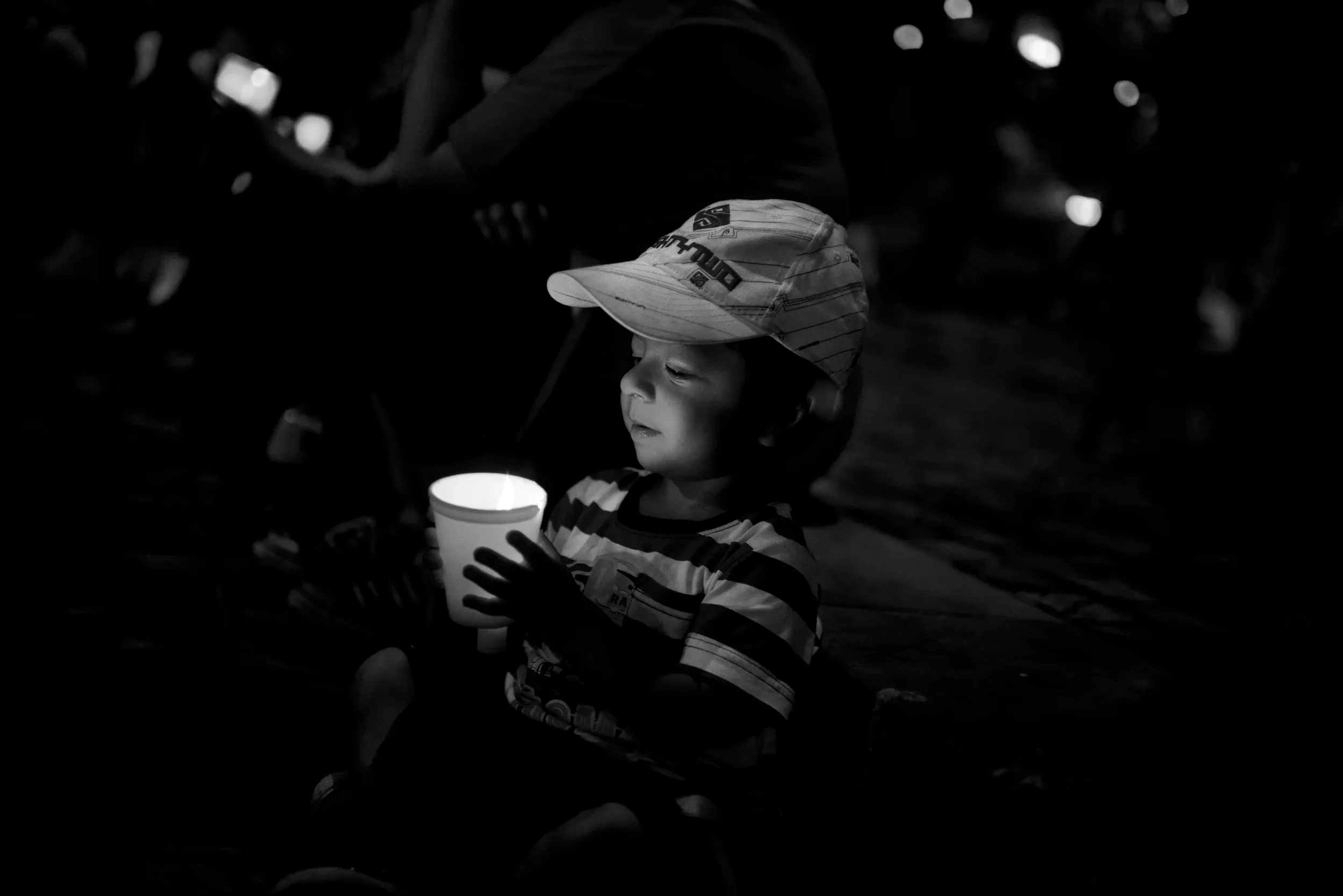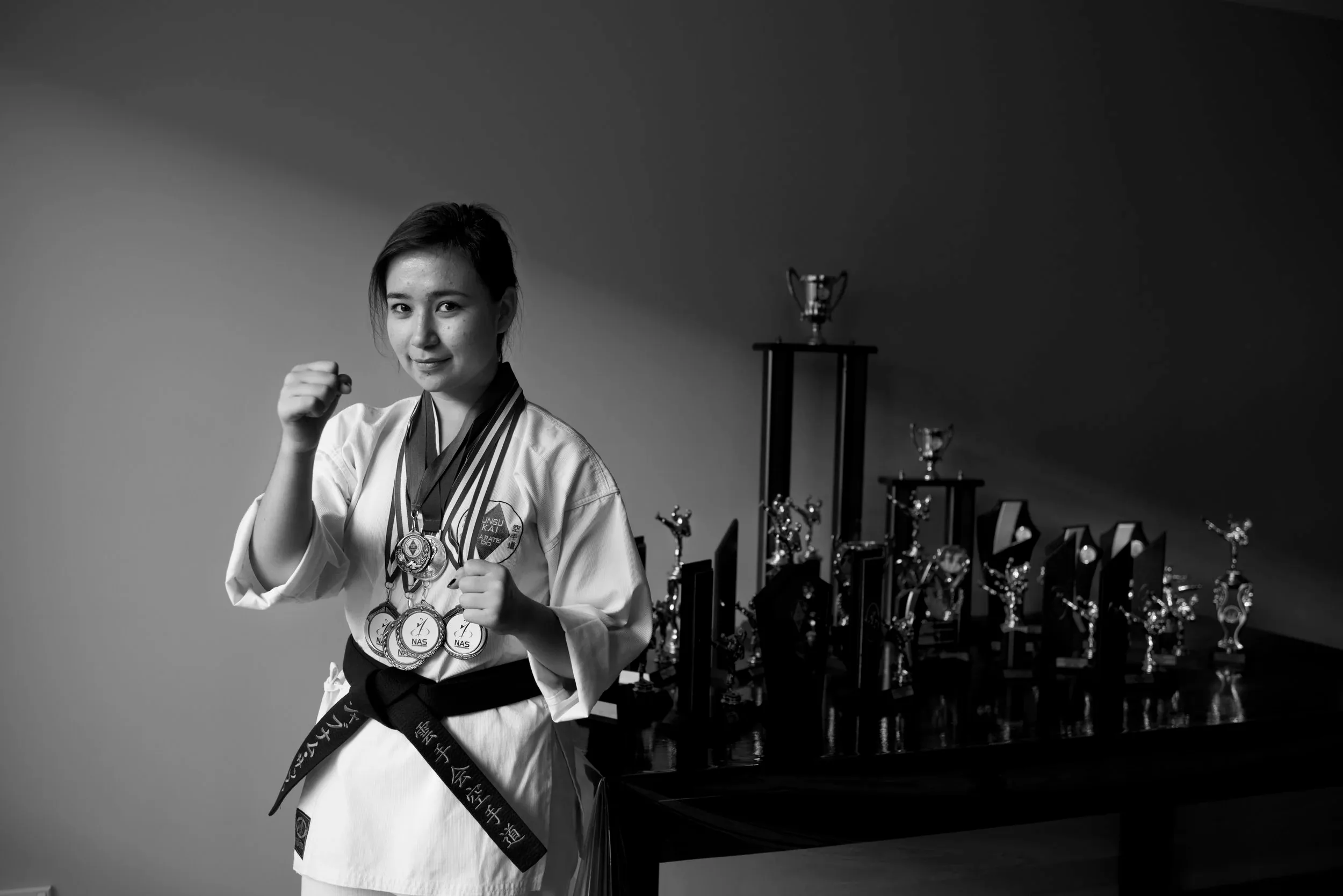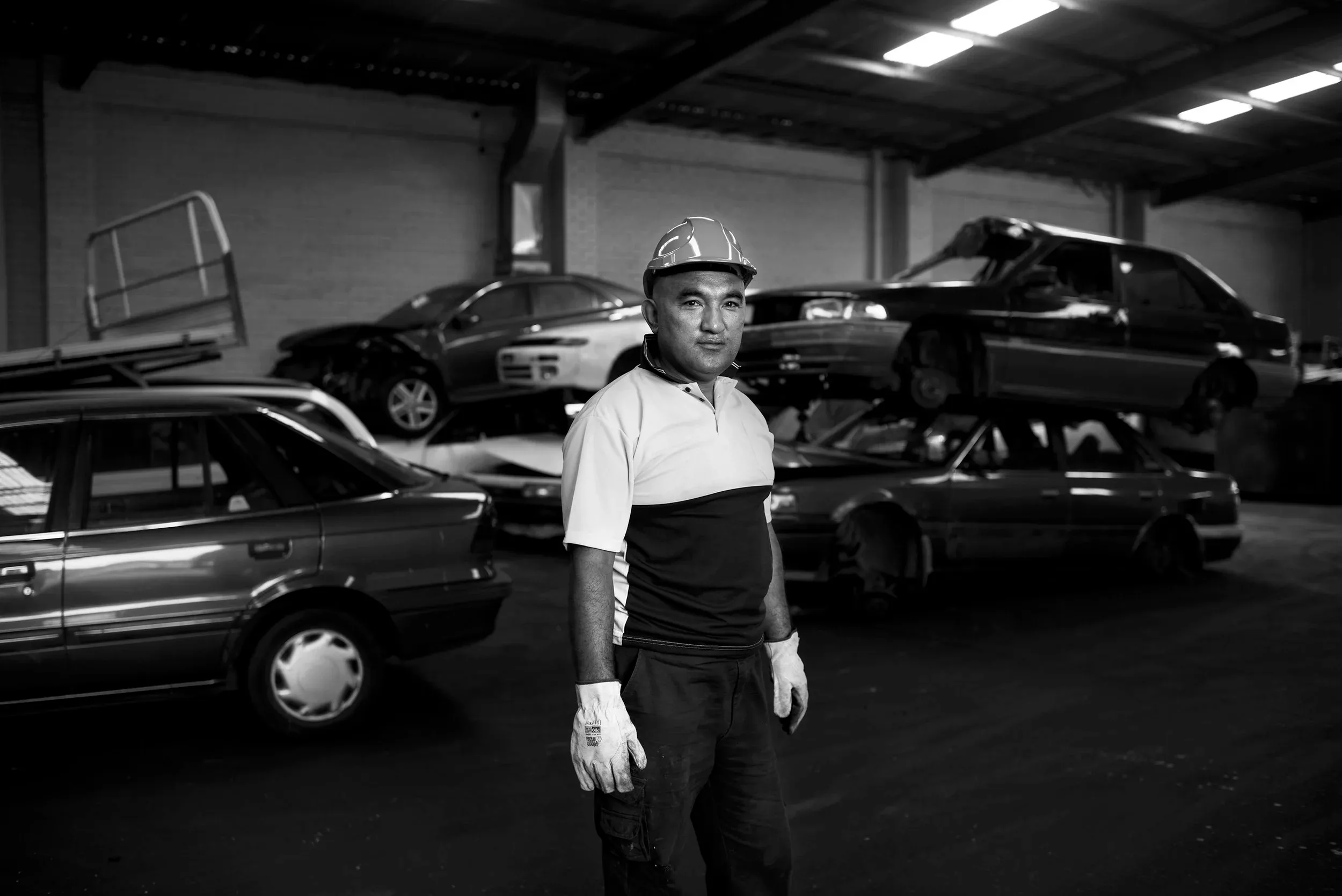
Six countries, one camera.
A life told by its places, in his own dates and details, from his interviews and the essay he wrote for TED in 2015.
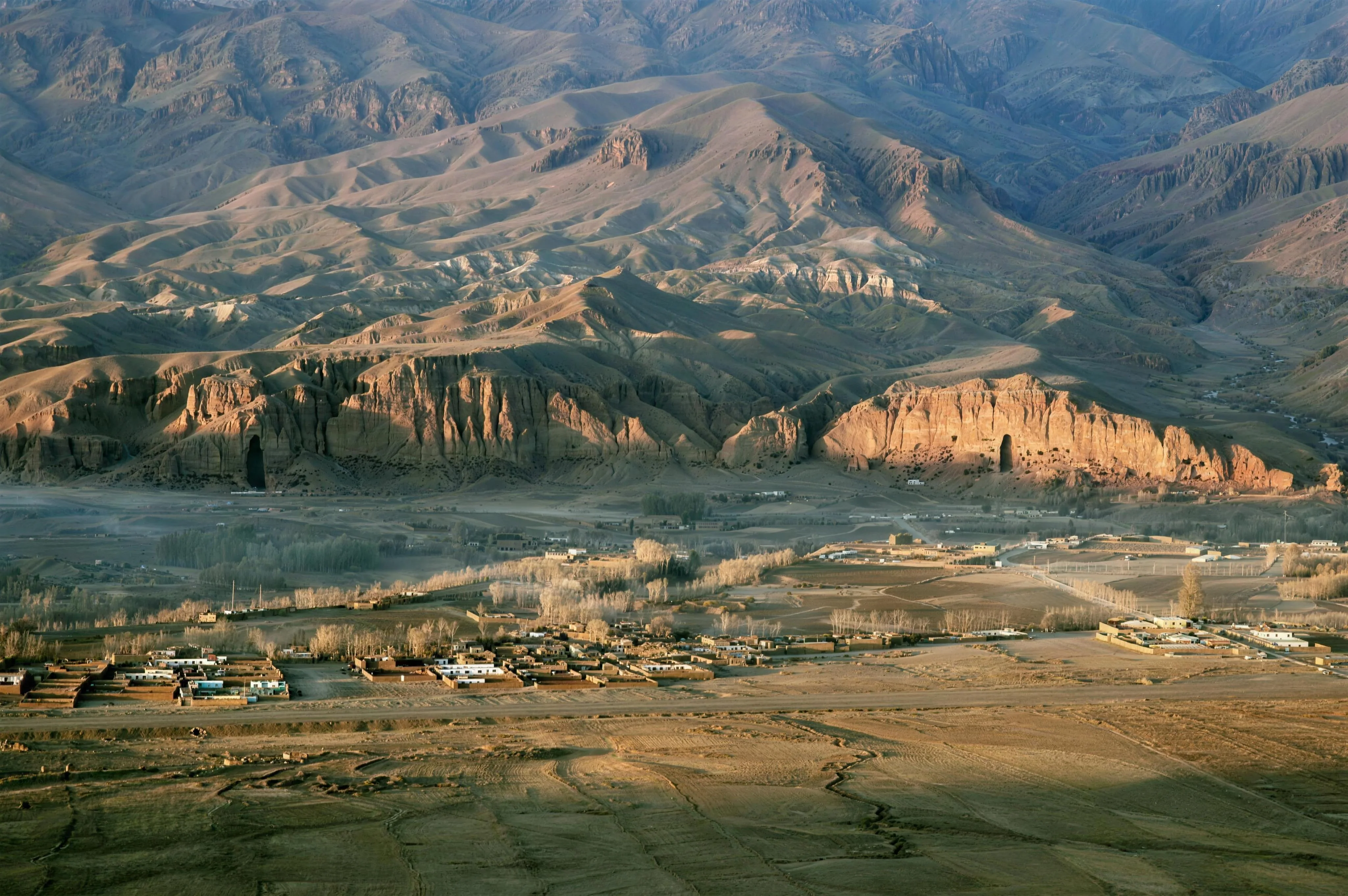
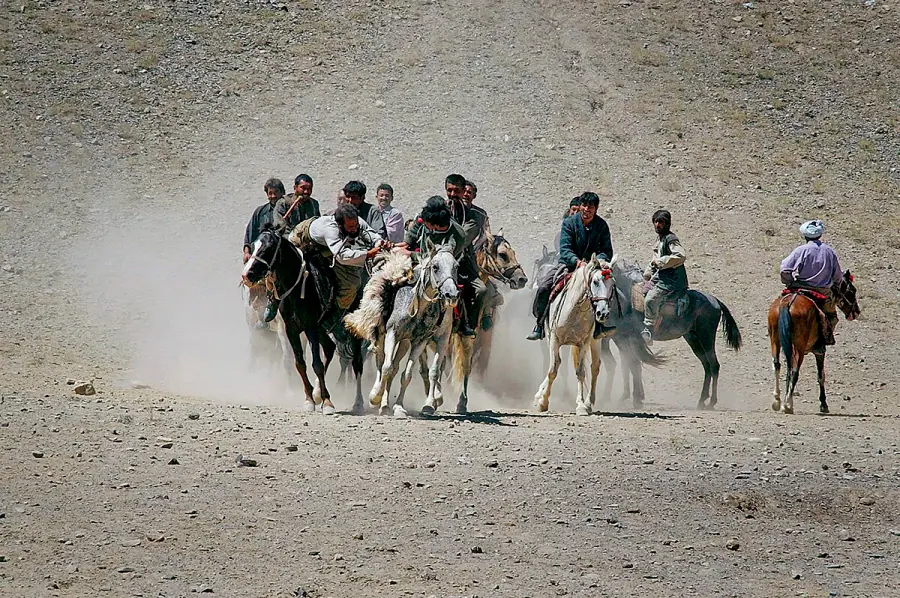
The Bamyan valley, Afghanistan, 2002 to 2012. © Barat Ali Batoor.
1983 to 2001
Quetta
A family that had already fled once.
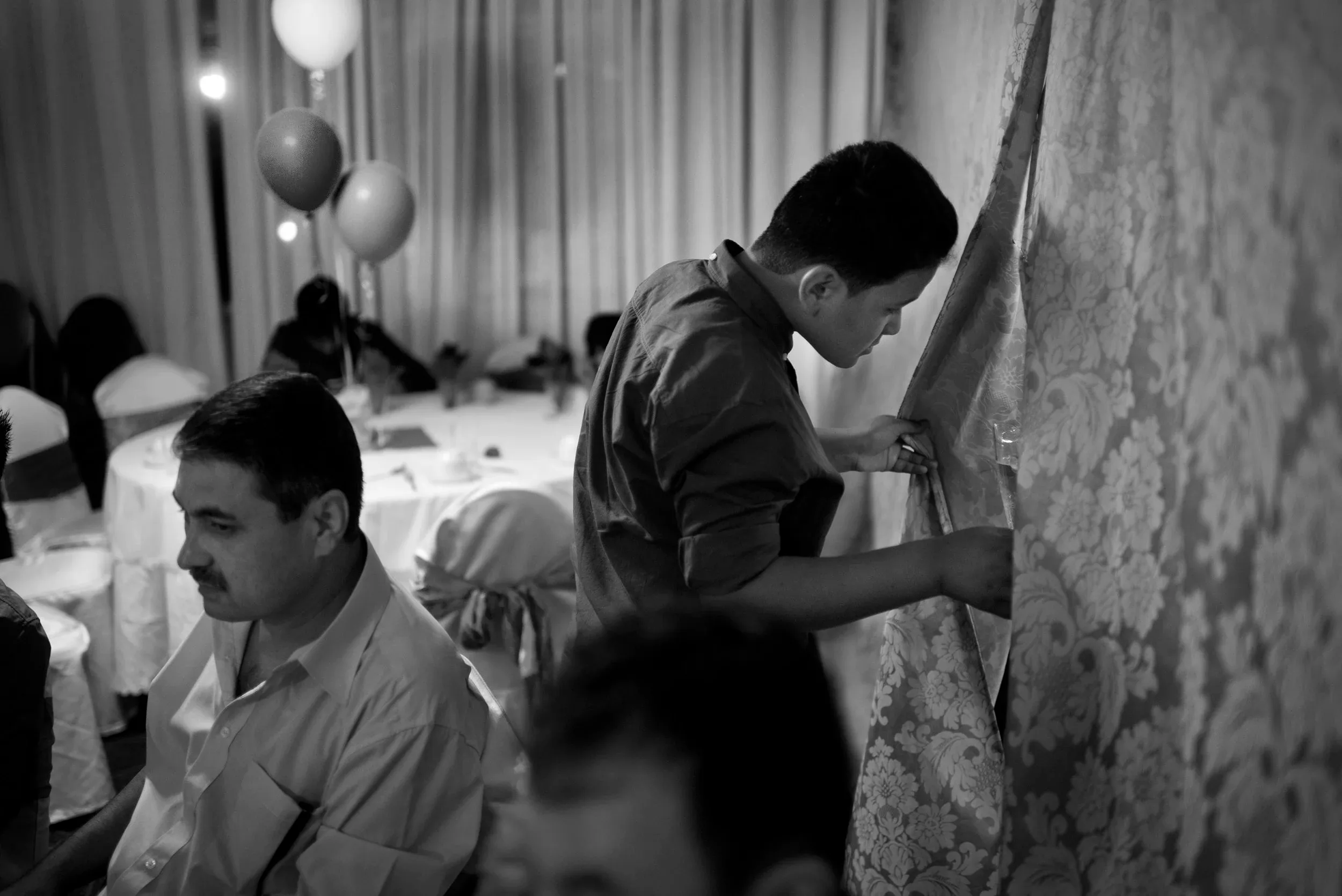
Barat Ali Batoor was born in Quetta, Pakistan, in 1983, to Hazara parents who had left Afghanistan in the 1970s. Quetta's Hazara neighbourhoods were, and are, a refuge under siege. The sectarian attacks that would later fill his Hazara Genocide Pakistan series were already part of the city's weather.
At about eighteen he interpreted for a visiting Sunday Telegraph journalist, bought a Nikon FM10 with the money, and started photographing weddings in Quetta.
2002 to 2012
Bamyan and Kabul
He went back to the country his parents left.
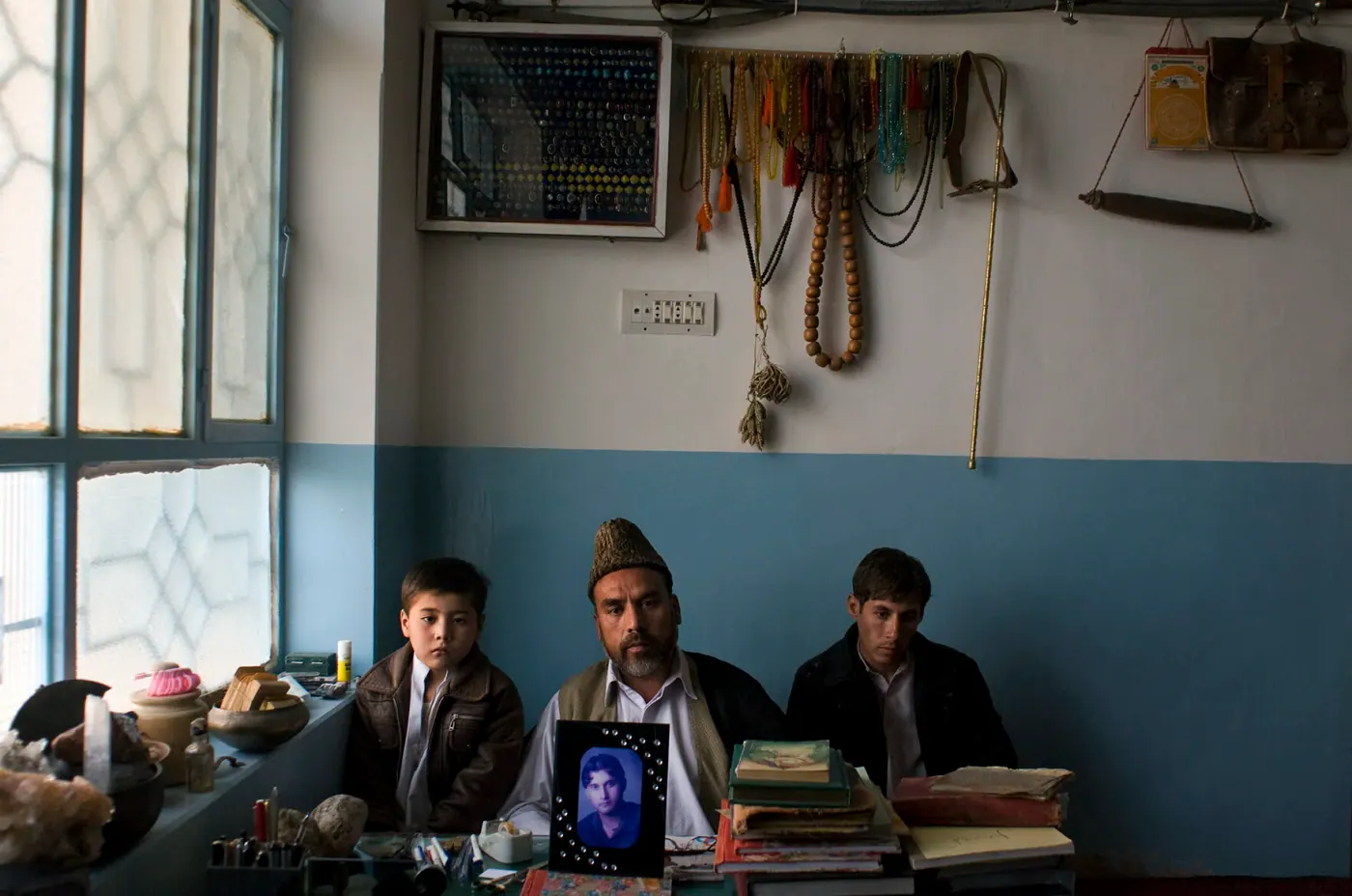
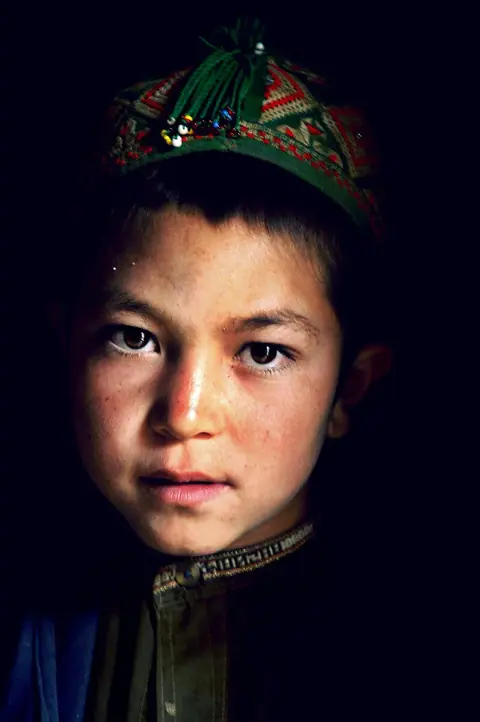
He crossed into Afghanistan for the first time after September 2001, while the Taliban still held Kandahar, and decided that photography would be how he answered what he saw. He worked in Bamyan from 2005 with the International Organization for Migration, moved to Kabul in 2007, and held his first solo exhibition that year.
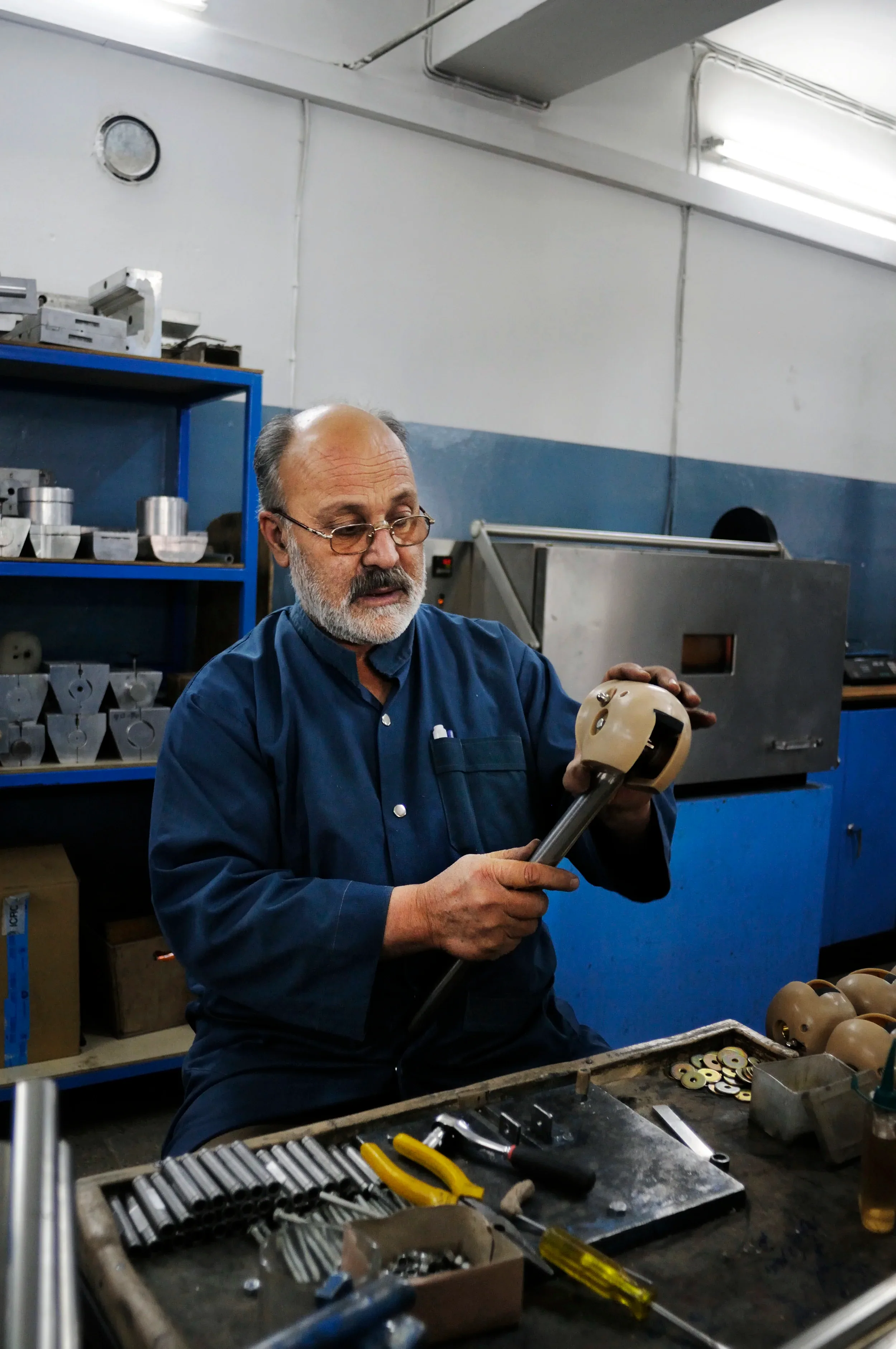
He photographed for the US Embassy, for the Red Cross's orthopaedic centre, for the newspapers that would later run his work: The Washington Post, Newsweek, The Wall Street Journal, Stern. In 2009 a grant from the Open Society Institute funded seven months on The Dancing Boys of Afghanistan.
2012
The Washington Post, April 2012
The series that made staying impossible.
When The Dancing Boys of Afghanistan was published, the men it exposed had power and the threats were specific. He lost the embassy job. Friends told him to leave. In September 2012 he did, with a camera and a phone, through Quetta to Bangkok.
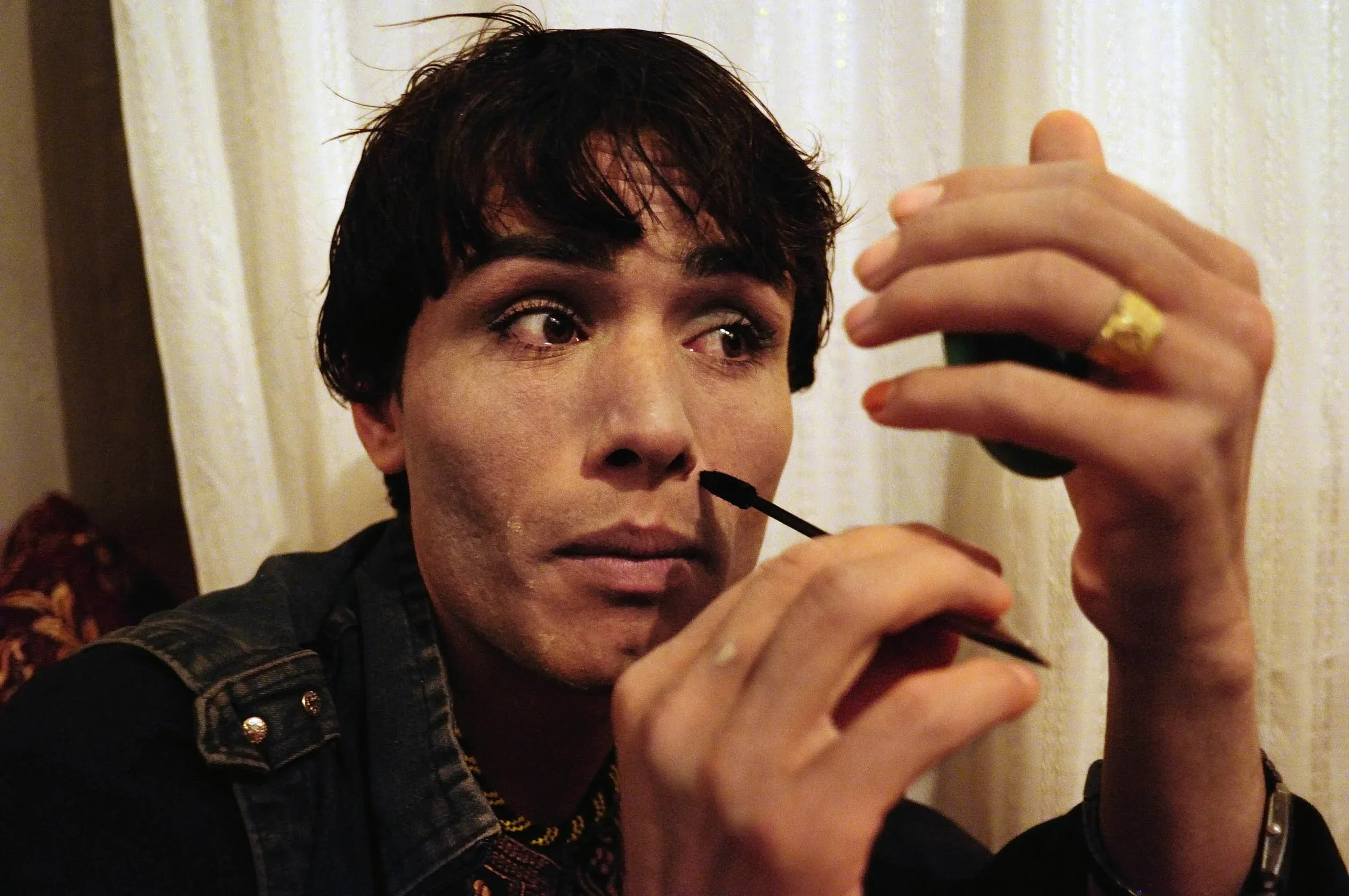
From The Dancing Boys of Afghanistan. The series is on the site behind a notice.
September 2012
Bangkok, Kuala Lumpur, Bogor
Four days, three nights, a 21-hour drive.
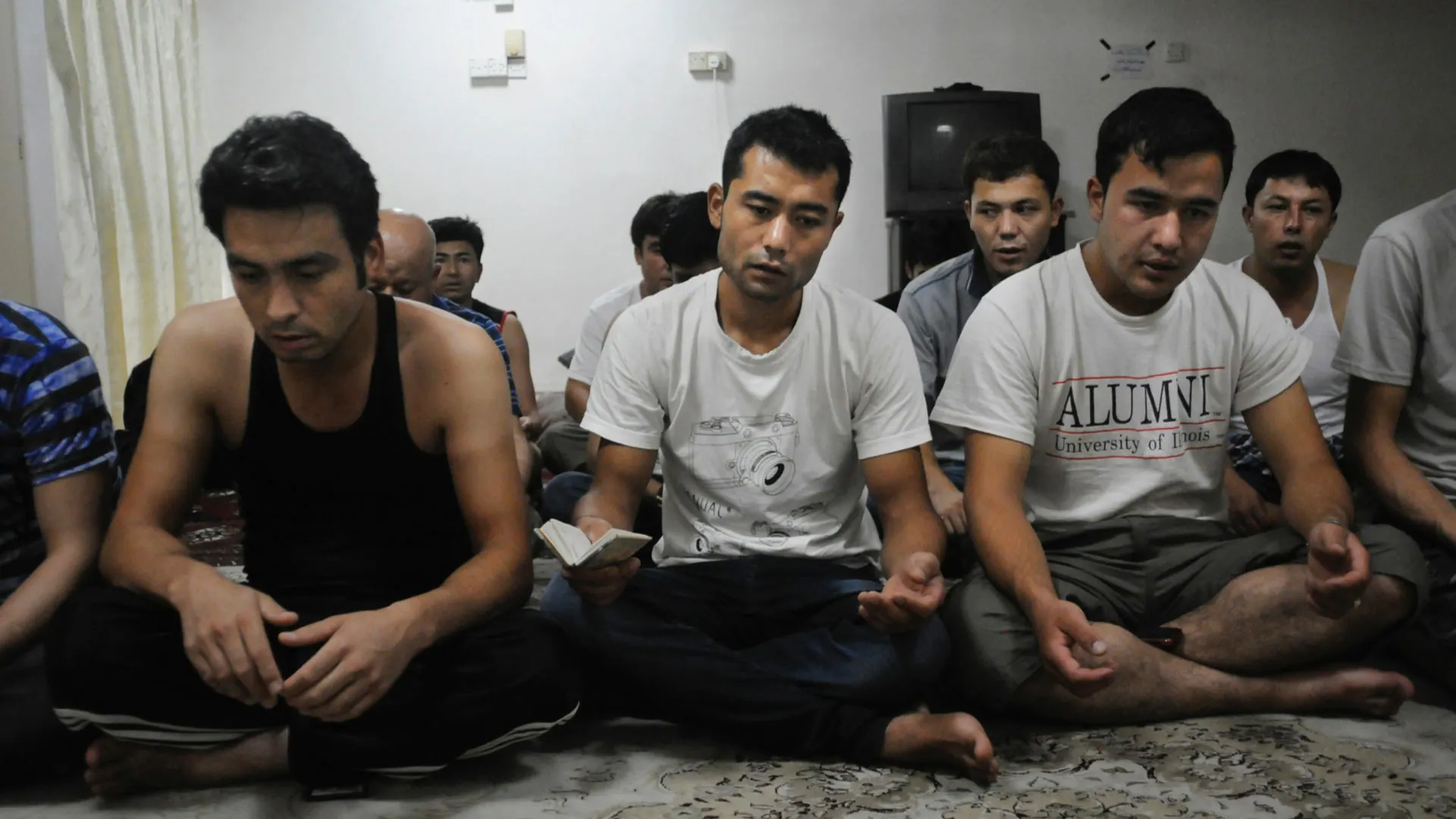
Four days in Bangkok waiting to be taken to Malaysia. A border crossing by boat. Three nights under house arrest in Kuala Lumpur, not allowed near a window. A flight to Sumatra, a car with the windows locked for 21 hours, a villa in Bogor where three roommates went ahead on an earlier boat. It sank, and only one of them lived.
He kept photographing. The smugglers did not mind a camera. They minded a journalist, and he had stopped saying he was one.
It's common for smugglers to make false promises about how clean and spacious the boats are, how there's bottled water and great life jackets. So asylum seekers that eventually make it will call back and tell others the truth.
September 2012
The Indian Ocean
Ninety-three people on a boat built for far fewer.
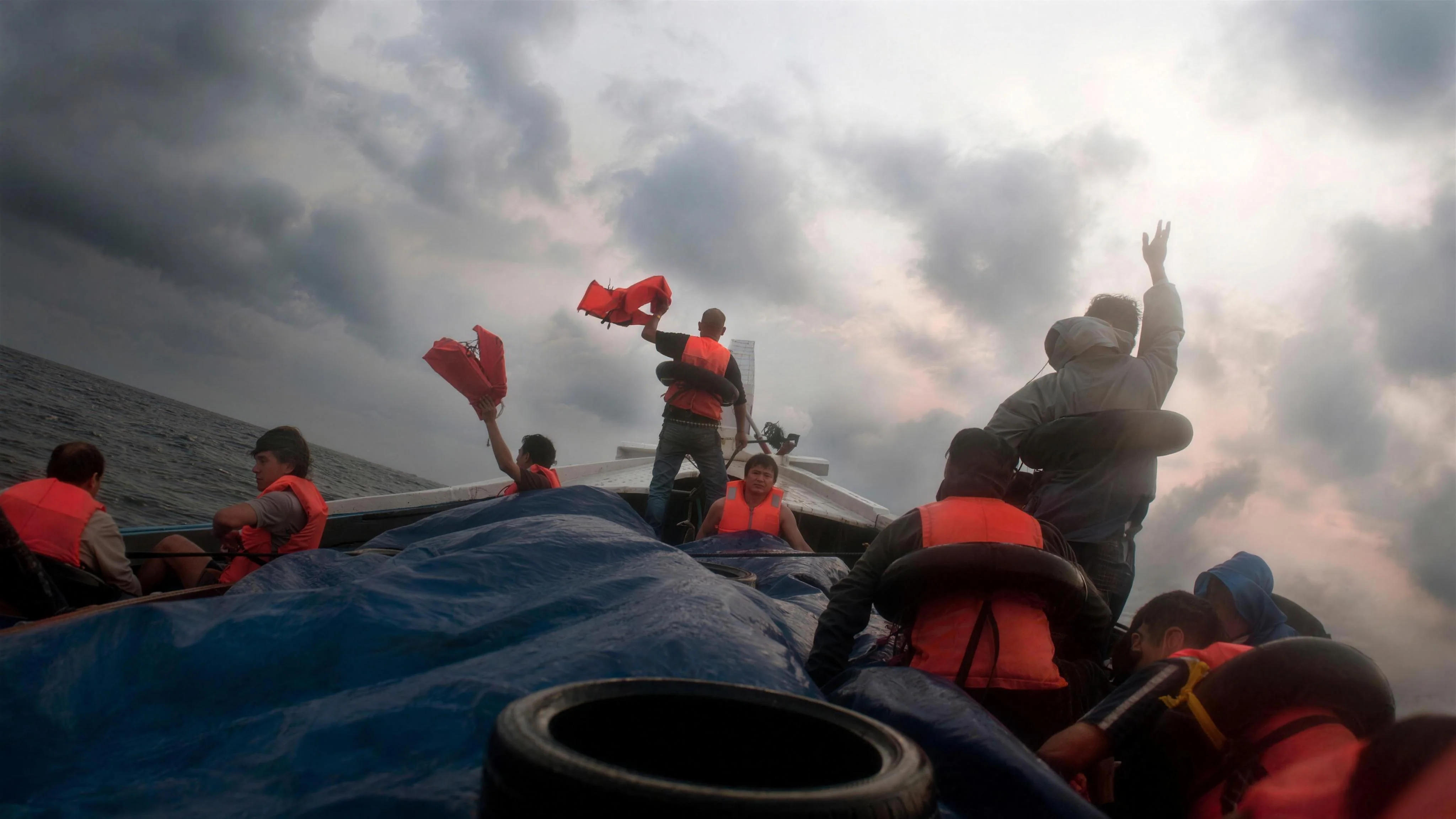
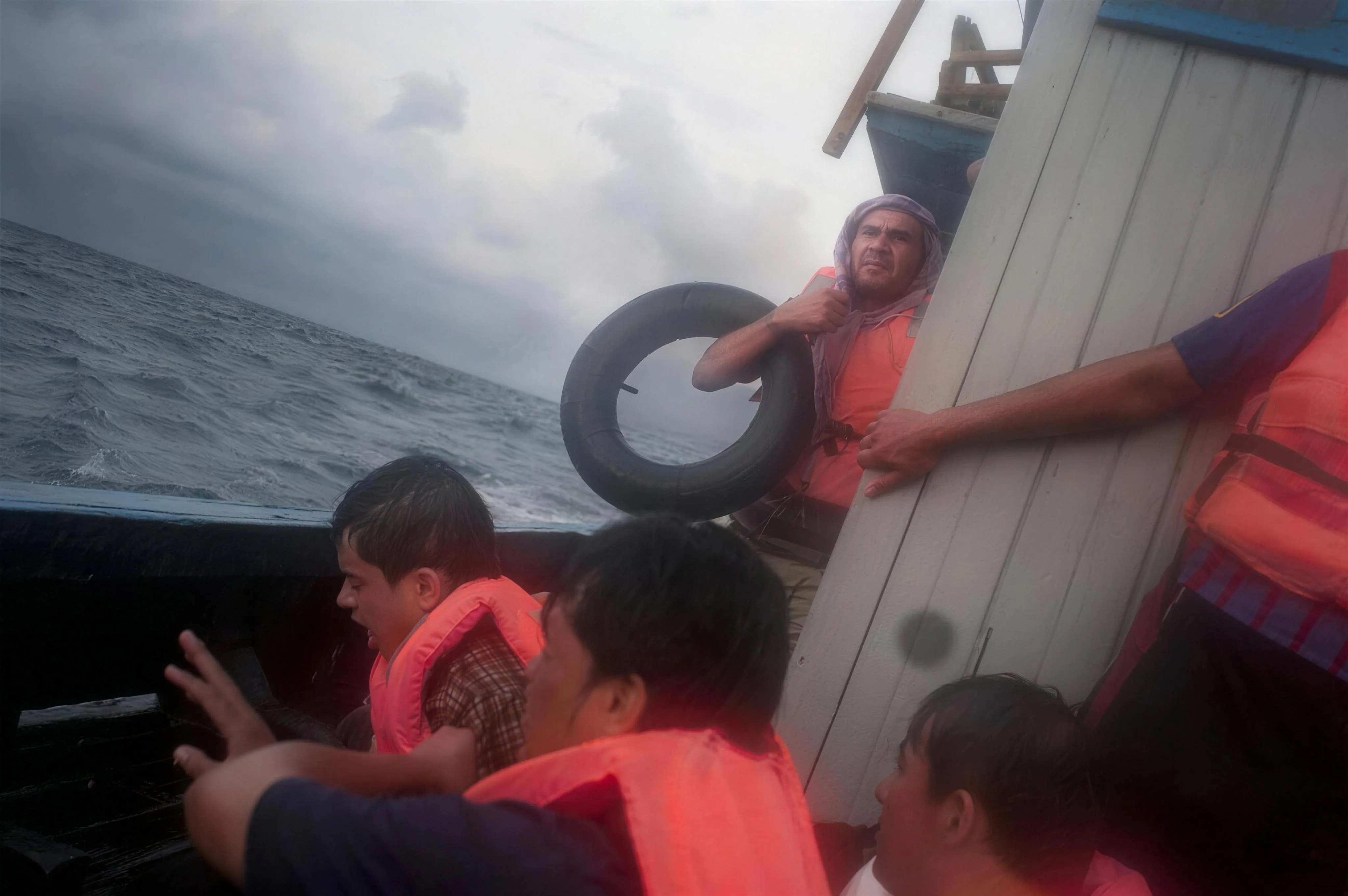
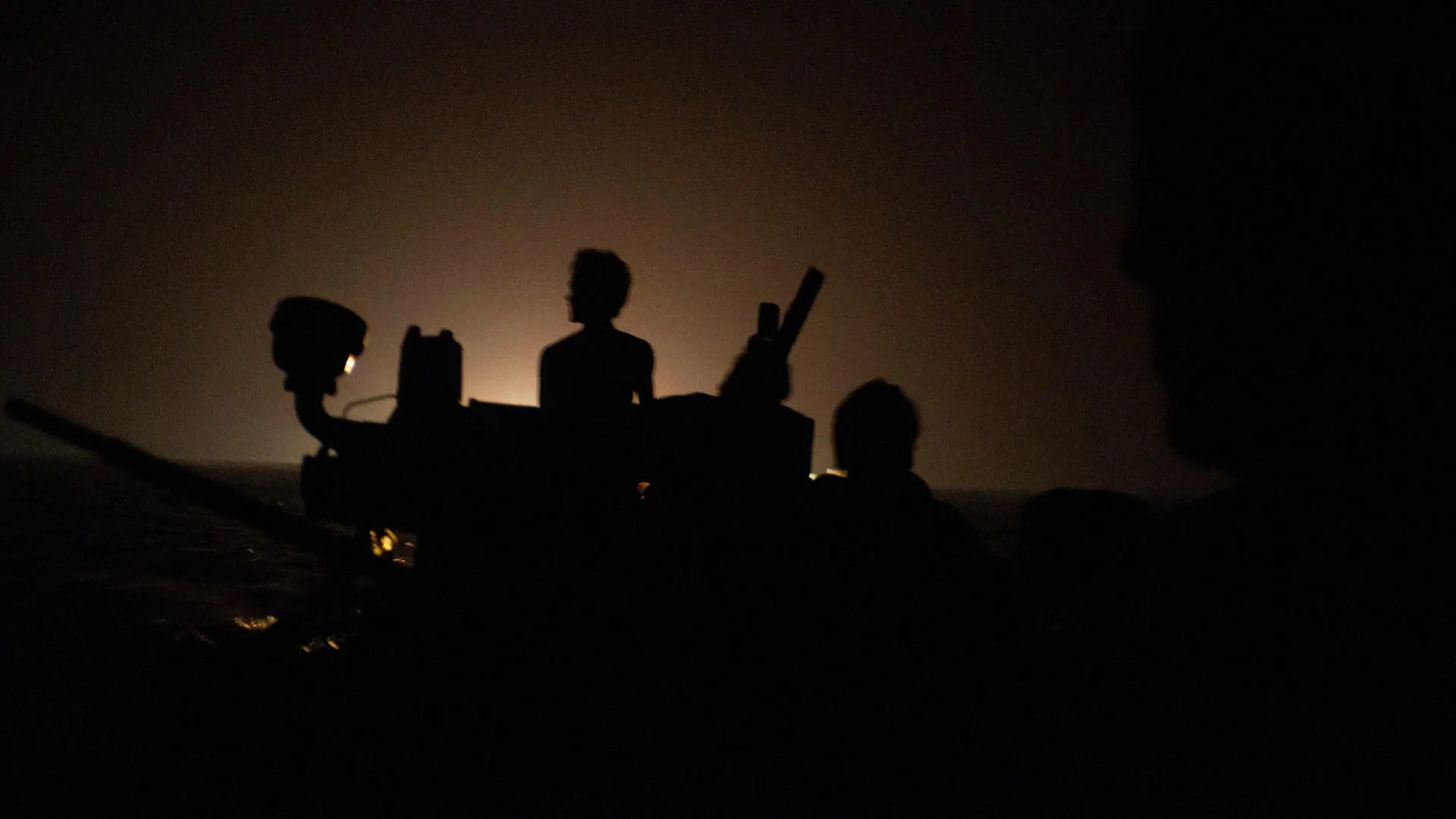
They boarded at night from a speedboat that got lost finding the fishing boat. Below deck the men prayed in shifts for air. On the second night the weather turned, water came in, and the captain said they had to go back. On deck, people waved their jackets at any ship that might be passing. The photograph he made then won the inaugural Nikon-Walkley Photo of the Year the following year.
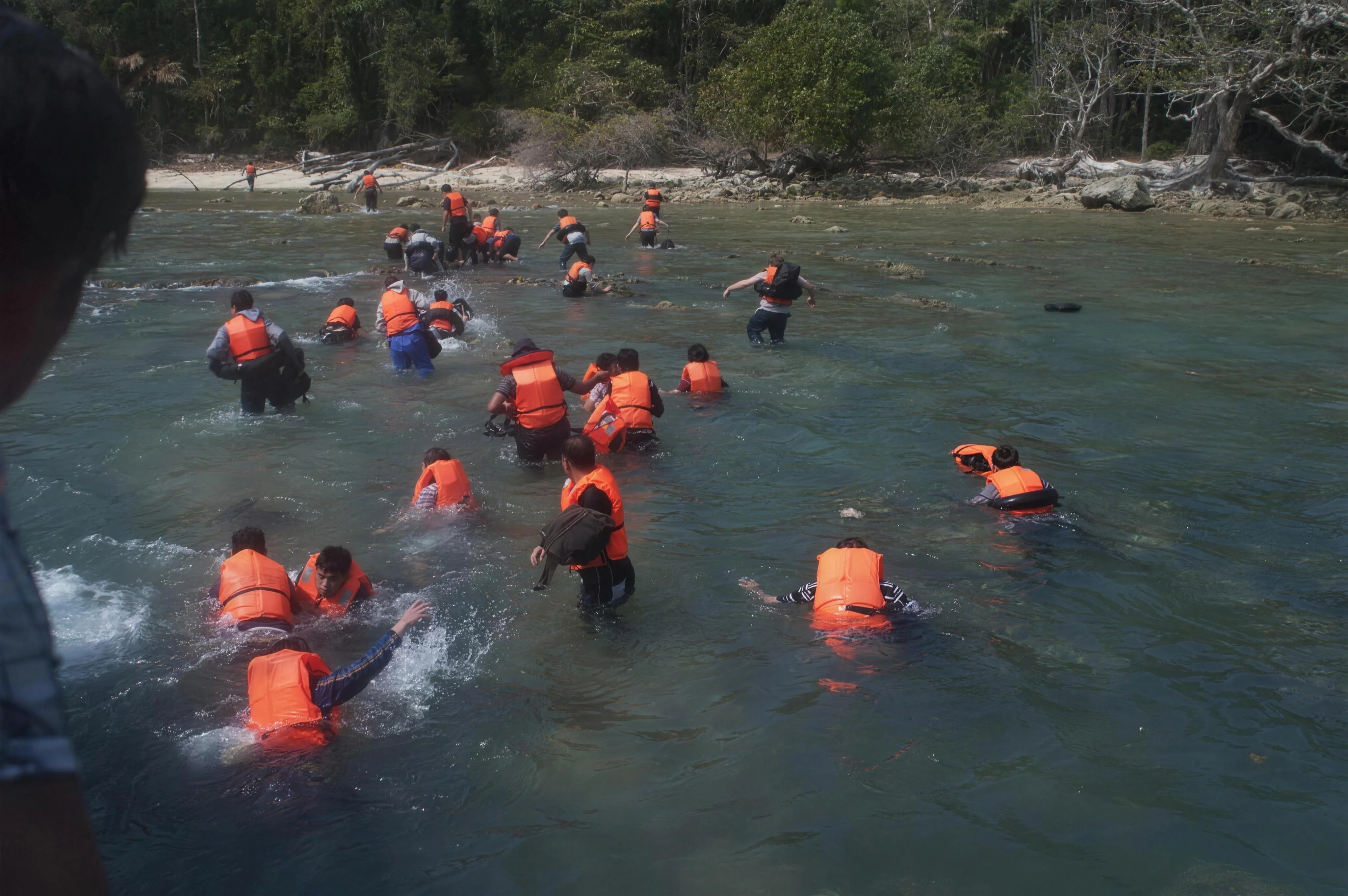
The crew did not abandon them. The boat broke on the rocks of Ujung Kulon, the far western tip of Java. Everyone reached the shore. He was detained, escaped, and went back to waiting.
2013 to now
Darwin, then Melbourne
Home, and the work between the photographs.
UNHCR recognised him as a refugee and Australia's humanitarian programme brought him to Darwin in 2013. Within months he had won two Nikon-Walkleys and was photographing the Hazara community of Dandenong, where he now lives.
Since then: a TEDxSydney talk that has been played more than a million times, exhibitions at the Western Australian Museum, State Library Victoria and the University of South Australia, a documentary that won Best Director at the Melbourne Documentary Film Festival, teaching photojournalism at RMIT, coordinating the Refugee Leadership Program at the Asylum Seeker Resource Centre, and founding the Hazara Cultural Association. He is now co-directing My Refugee Journey, the feature film of all of the above, with Kasimir Burgess.
Chronology
- 2013Nikon-Walkley Photo of the YearInaugural award, for Hazara exodus, the first day at sea. Credited to The Global Mail.
- 2013Nikon-Walkley Photographic EssayFor Hazara exodus.
- 2014Communication for Social Change AwardUniversity of Queensland, for the photographic essay he made on the boat to Australia.
- 2021Best Director, AustraliaMelbourne Documentary Film Festival, for Batoor: A Refugee Journey.
- 2025dokleipzig PrizeAIDC FACTory pitch, for In Focus, now My Refugee Journey.
- 2026Highly Commended, Victorian Museums and Galleries AwardsSmall Project, Gallery, to State Library Victoria for Searching for Sanctuary.
Sources
- AMES 2021
- His parents fled Afghanistan in the early 1970s.
- McKee 2014
- At about eighteen he interpreted for a visiting Sunday Telegraph journalist, bought a Nikon FM10, and photographed weddings in Quetta.
- McKee 2014
- Moved to Bamyan in 2005 for an administrative job with the International Organization for Migration.
- McKee 2014; Wheeler Centre
- Moved to Kabul in 2007; first solo exhibition the same year.
- Broadsheet 16 Sep 2013; Documentary Australia
- Worked as a photographer for the US Embassy in Kabul and lost the job after The Washington Post story.
- His TED caption, 2015
- Three roommates in Bogor left on an earlier boat; it sank and only Jafar lived.
- In his own words
- His essay for ideas.ted.com, April 2015, which carries the captions on the crossing photographs.