Photography
Nine bodies of work, 2002 to 2014.
236 plates, from Bamyan and Kabul to the Pakistan floods, from the boat to Dandenong.
Contents
- Seeking AsylumThailand, Malaysia, Indonesia and the Indian Ocean20121–19
- Refugees in IndonesiaBogor and Cisarua, West Java2012 to 201320–39
- AfghanistanBamyan and Kabul2002 to 201240–50
- The Dancing Boys of AfghanistanKabul and the north. Sensitive content2009 to 201051–85
- ICRCKabul orthopaedic centre201186–114
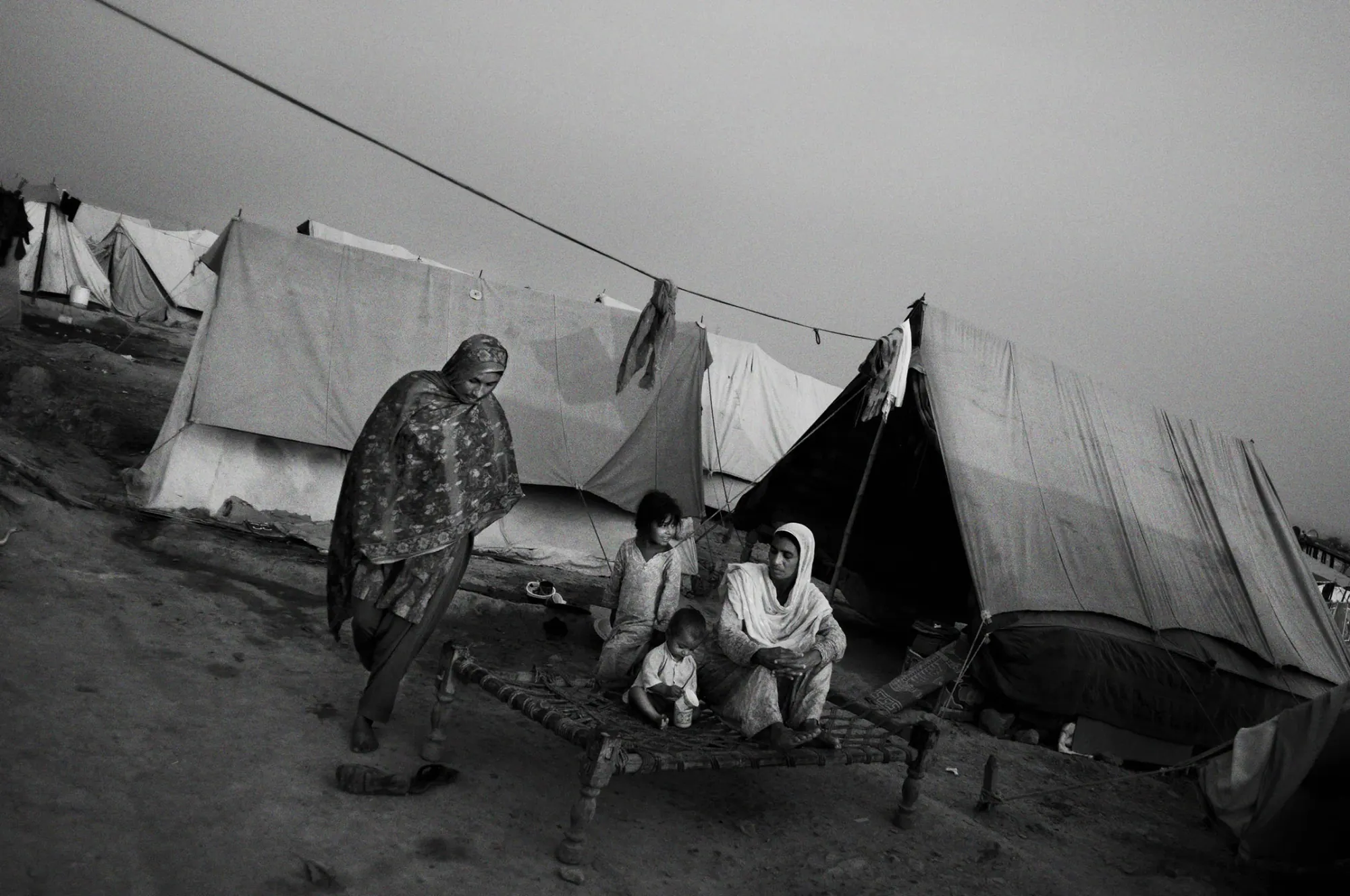
- Flooding Aftermath in PakistanSindh and Balochistan2010115–184
- AshuraHazara communities in Afghanistan and Pakistan2010 to 2012185–210
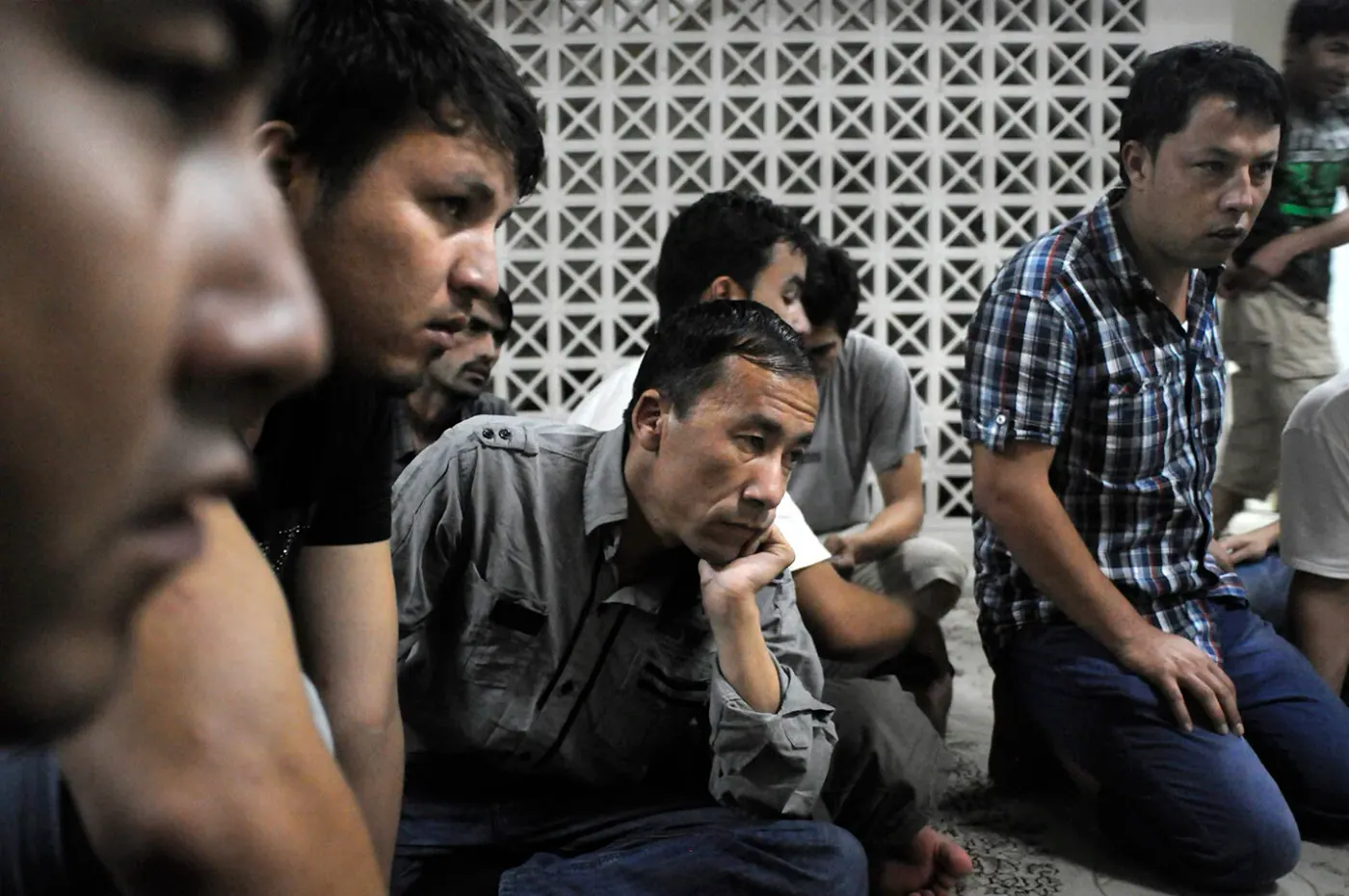
- The Hazaras in MelbourneDandenong, Victoria2014211–231
- Hazara Genocide PakistanQuetta, Balochistan. Sensitive content2011 to 2013232–236
A note on the archive
The nine series run in the order they were published rather than the order they were made, because the making overlaps and the publishing does not. He began photographing in 2002 and worked for a decade in Bamyan and Kabul; the assignments to Sindh and Quetta fall inside that decade, and so does the one journey he did not choose to photograph and photographed anyway.
Two series are held behind a notice. That is a decision about how they are shown and not about whether they exist: both are listed in the contents above, both are counted in the plate ranges, and both are in the archive file at archive.json. An archive that hid rows from its own index would be lying about its extent.
Nothing here is cropped and nothing is regraded. Eight display copies were enlarged by a machine and all eight say so on their own page, in red, next to the file they were enlarged from. The rest are the widths his files actually carry.
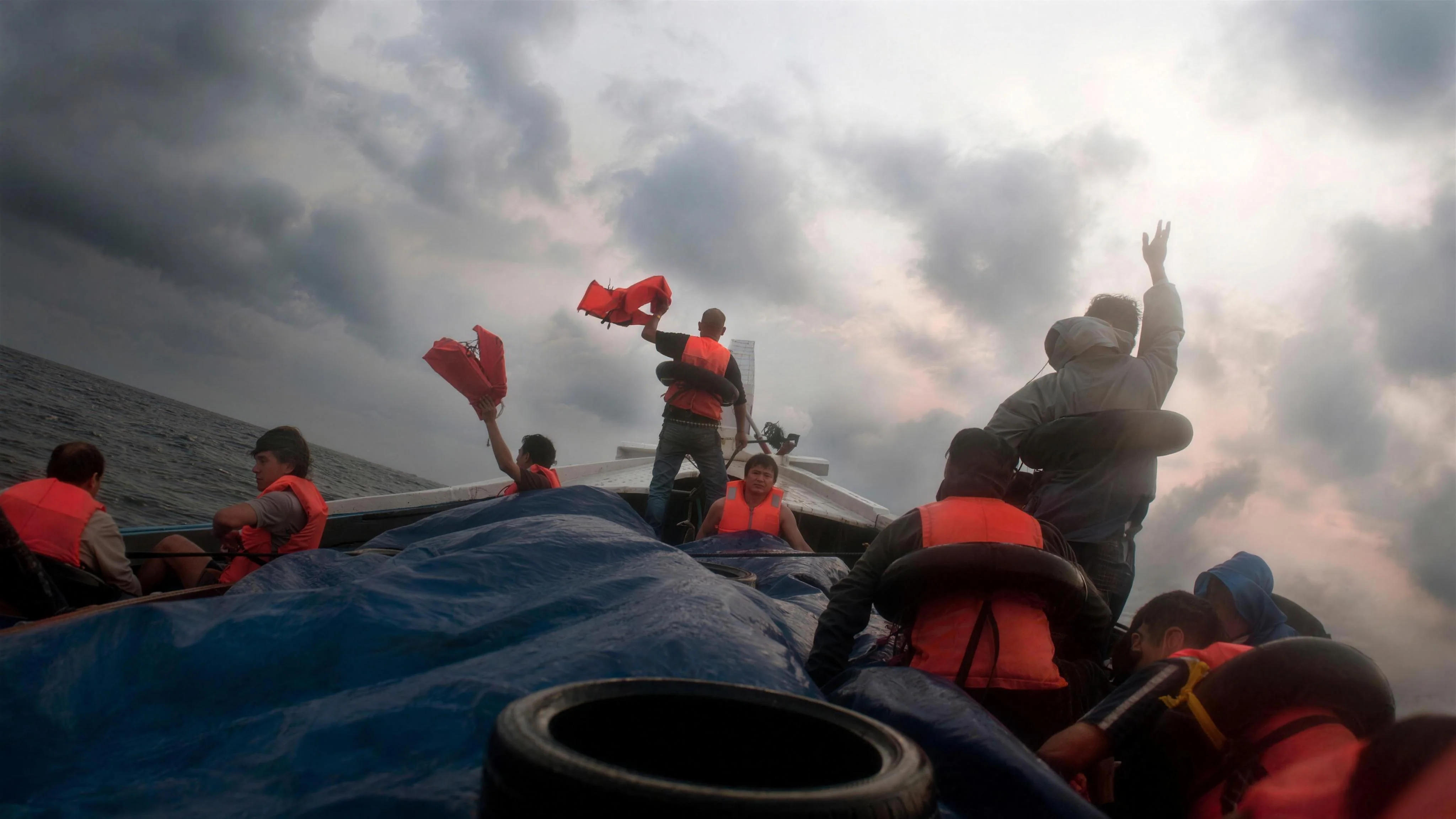
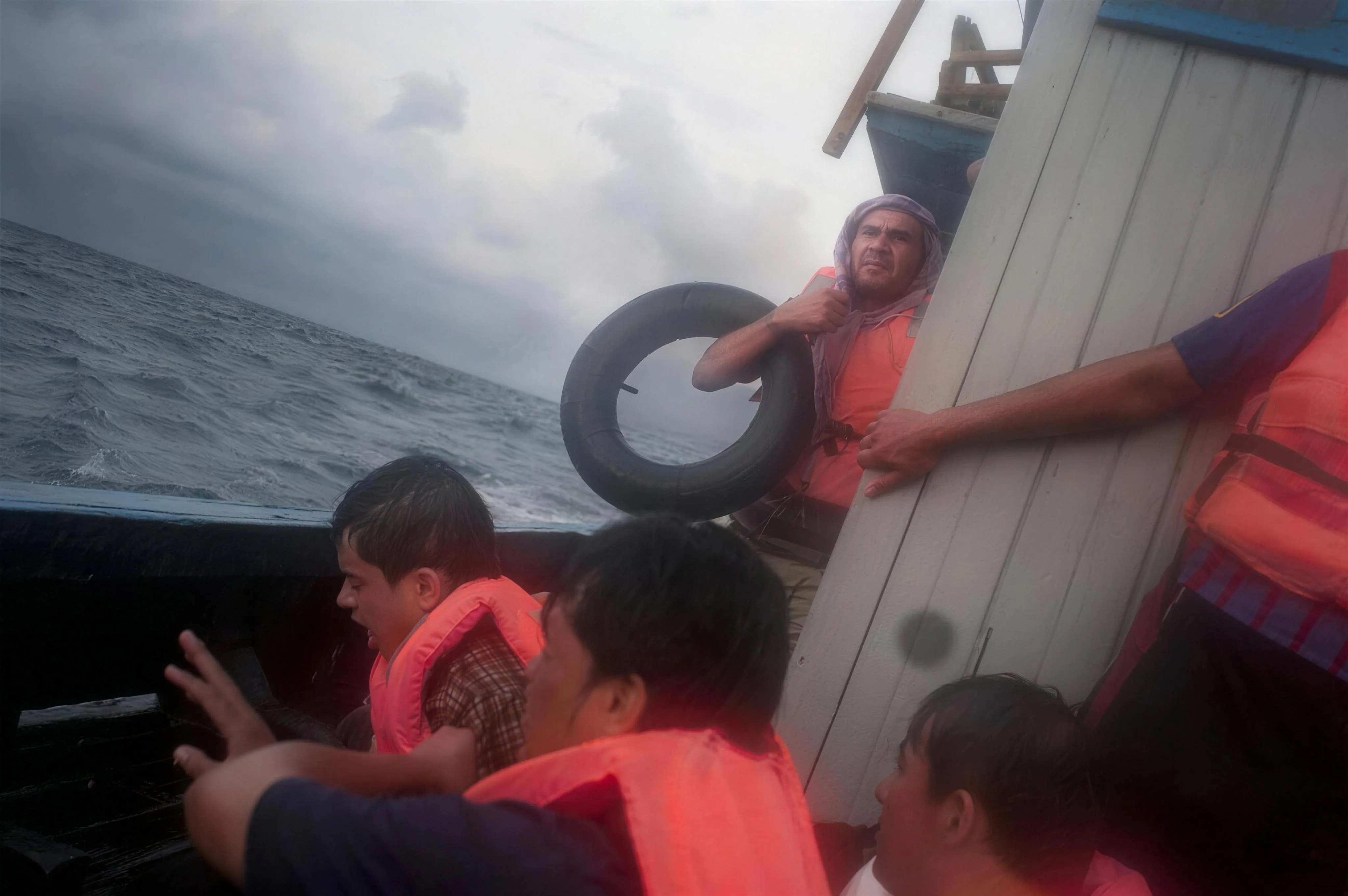
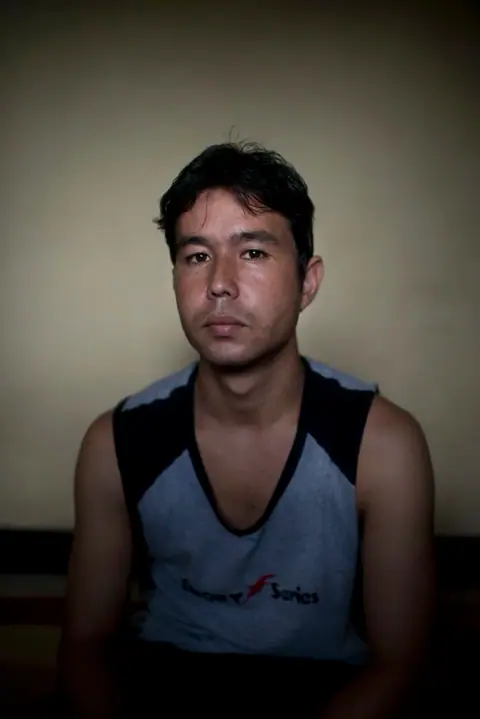
Seeking Asylum
Thailand, Malaysia, Indonesia and the Indian Ocean, 2012. 19 photographs.
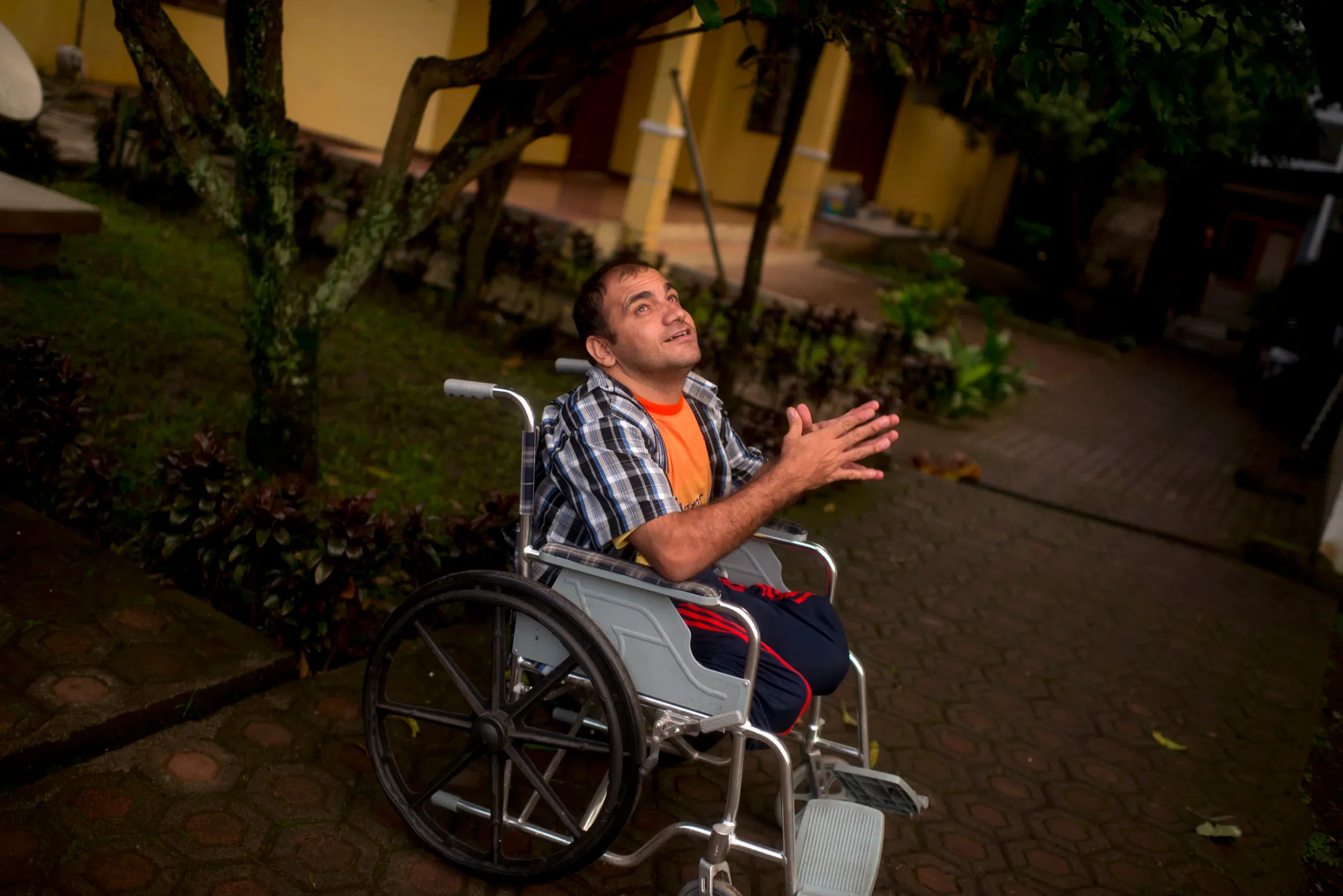
Refugees in Indonesia
Bogor and Cisarua, West Java, 2012 to 2013
Between the boat and the resettlement flight, months in the hills above Jakarta with other Hazara asylum seekers: shared rooms, football at dusk, waiting for a phone to ring.
20 photographs
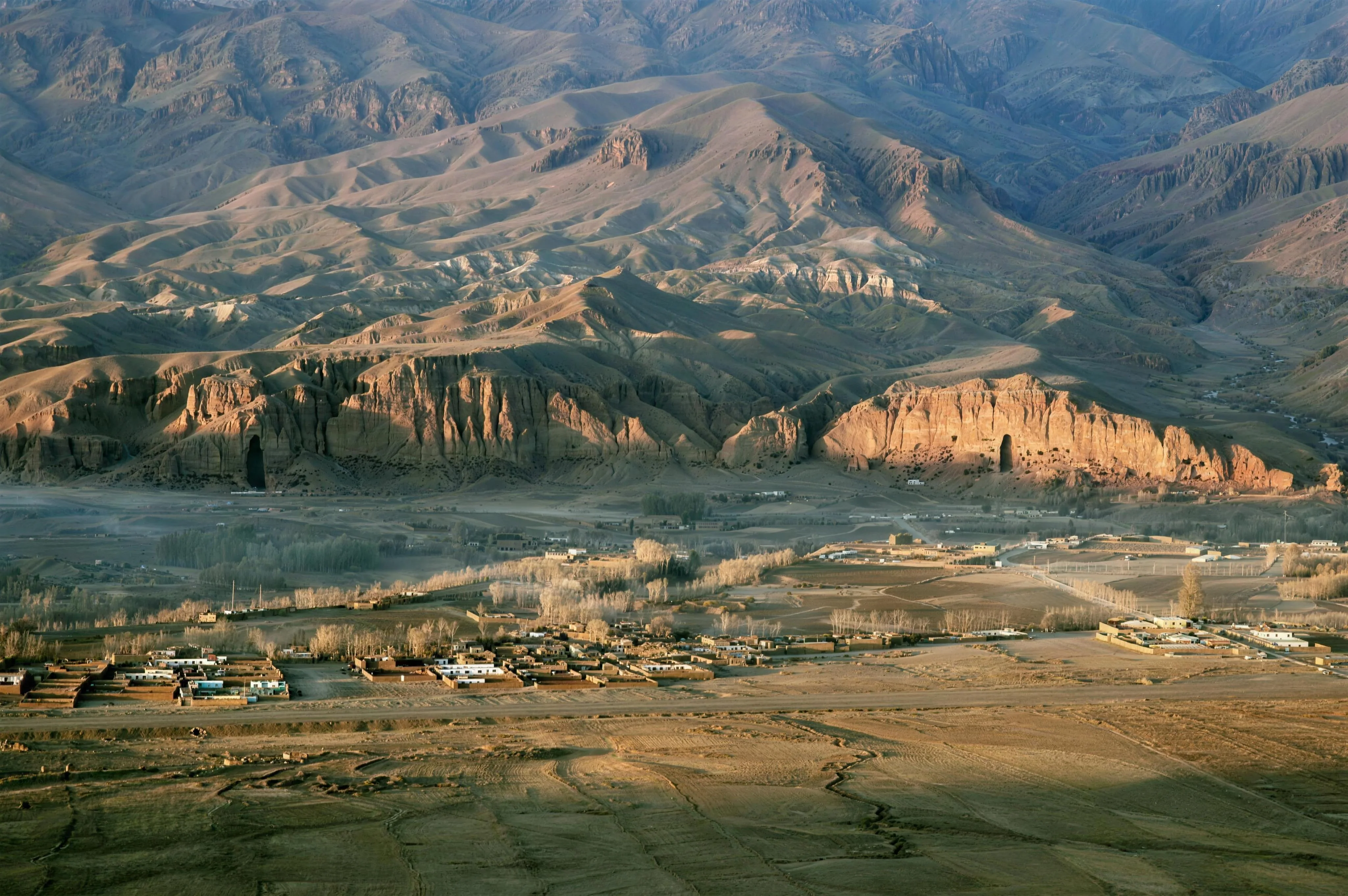
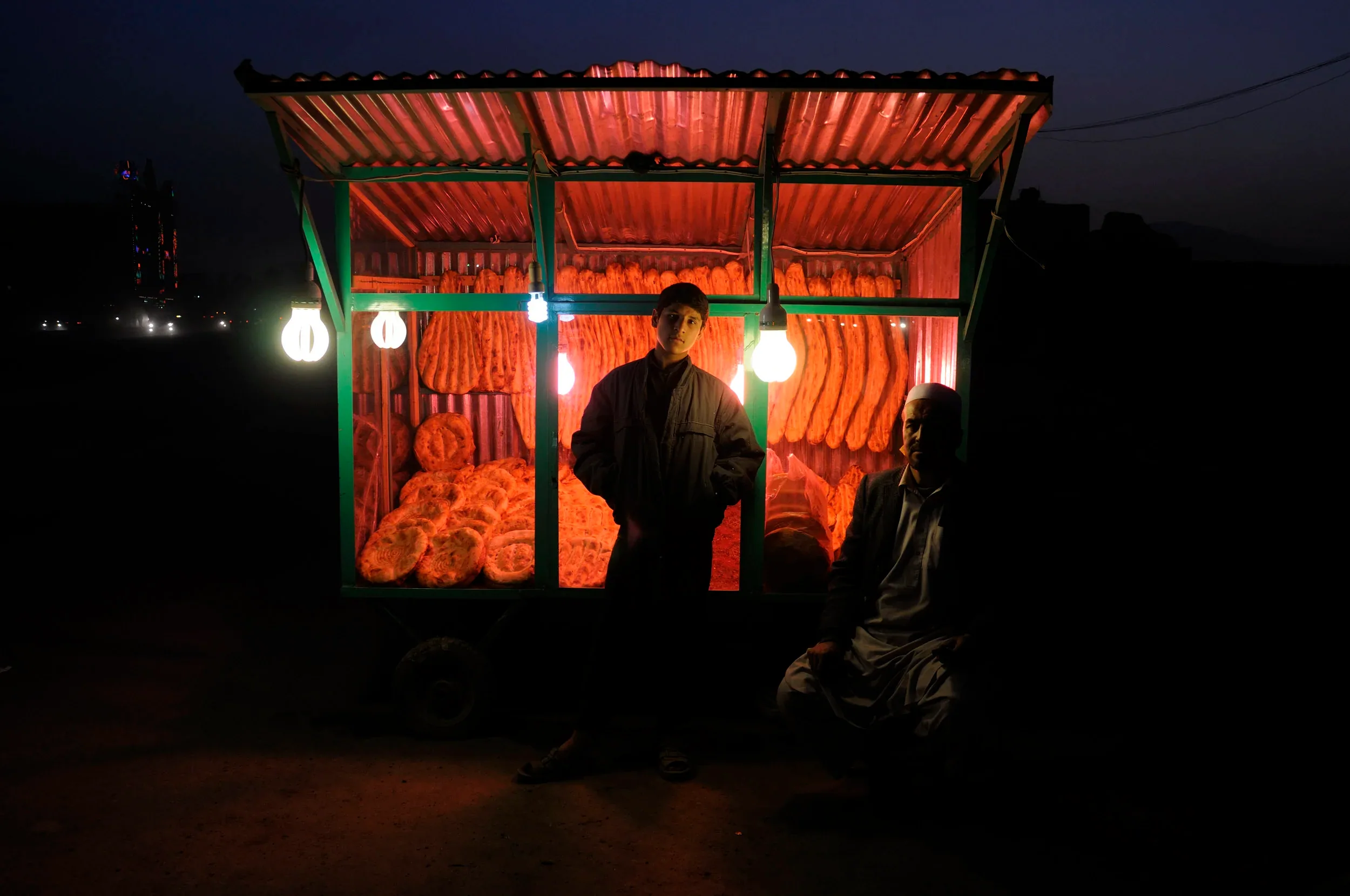
Afghanistan
Bamyan and Kabul, 2002 to 2012
The country he returned to after 2001, photographed over a decade: the empty niches of the Bamyan Buddhas, children on the valley floor, horsemen in the dust, a tank left in a field.
11 photographs
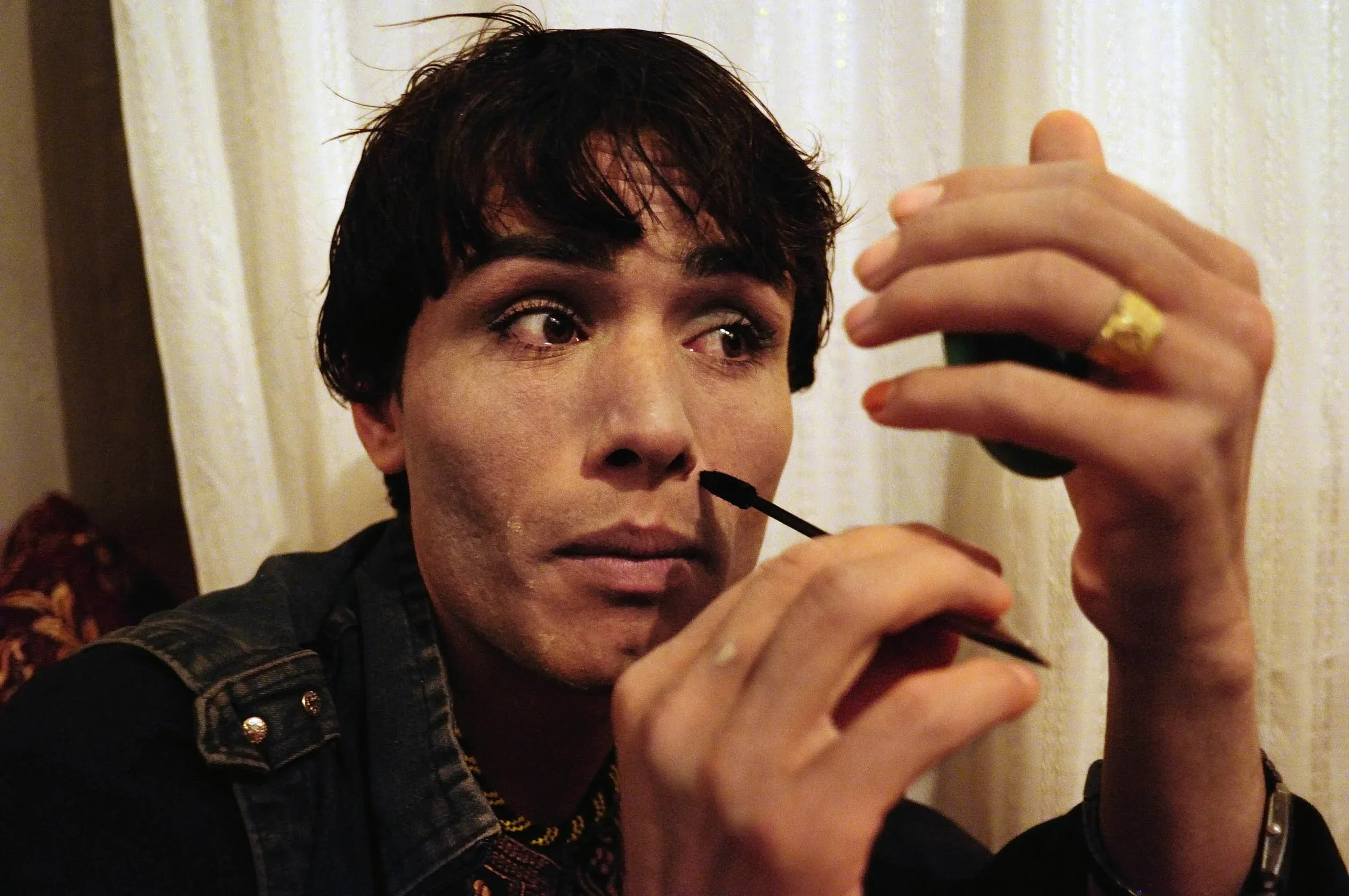
The Dancing Boys of Afghanistan
Kabul and the north, 2009 to 2010
Made with a 2009 grant from the Open Society Institute over seven months, this series documented bacha bazi, the practice of keeping boys as dancers and companions for men with power.
35 photographs, sensitive content
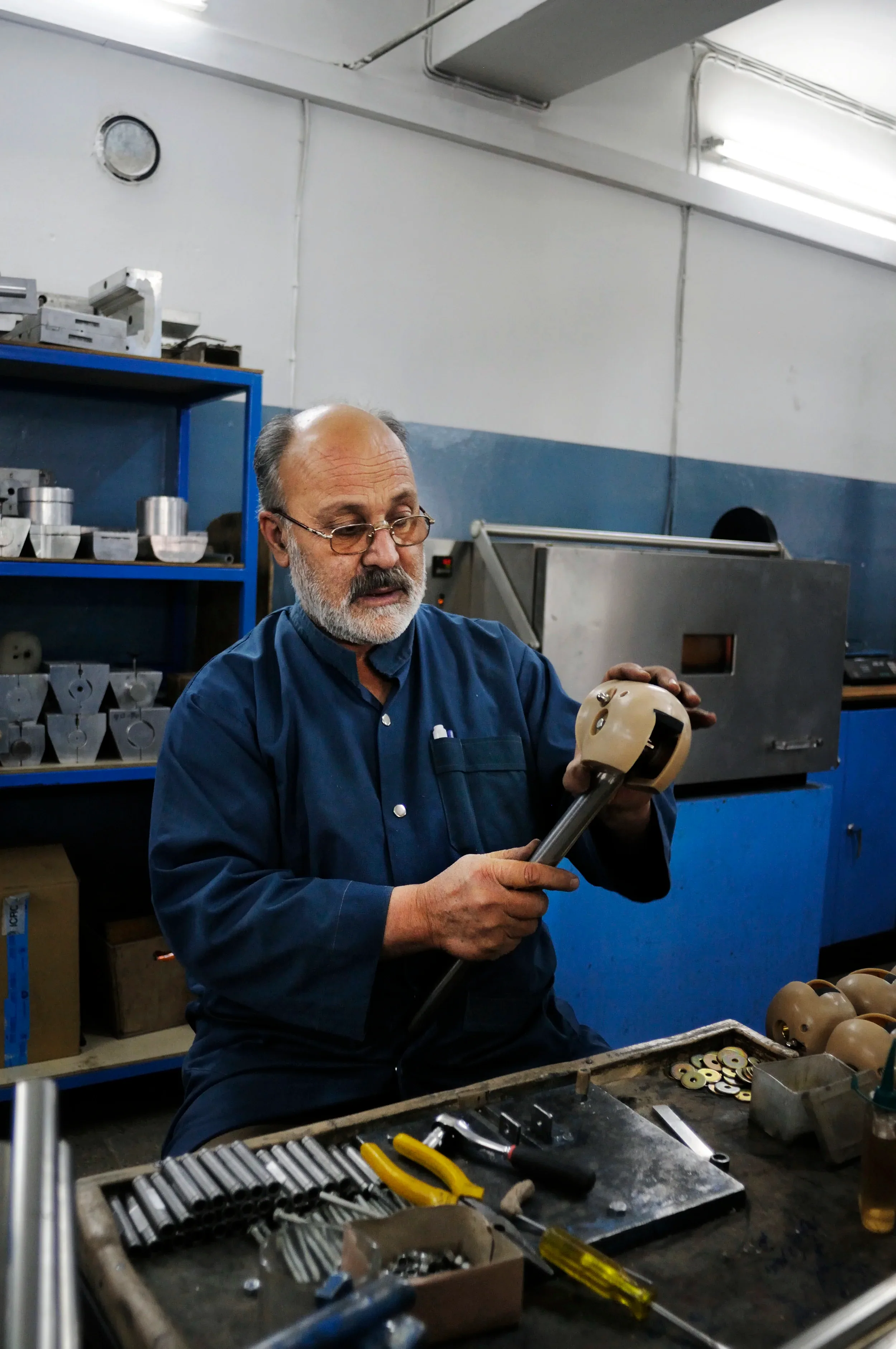
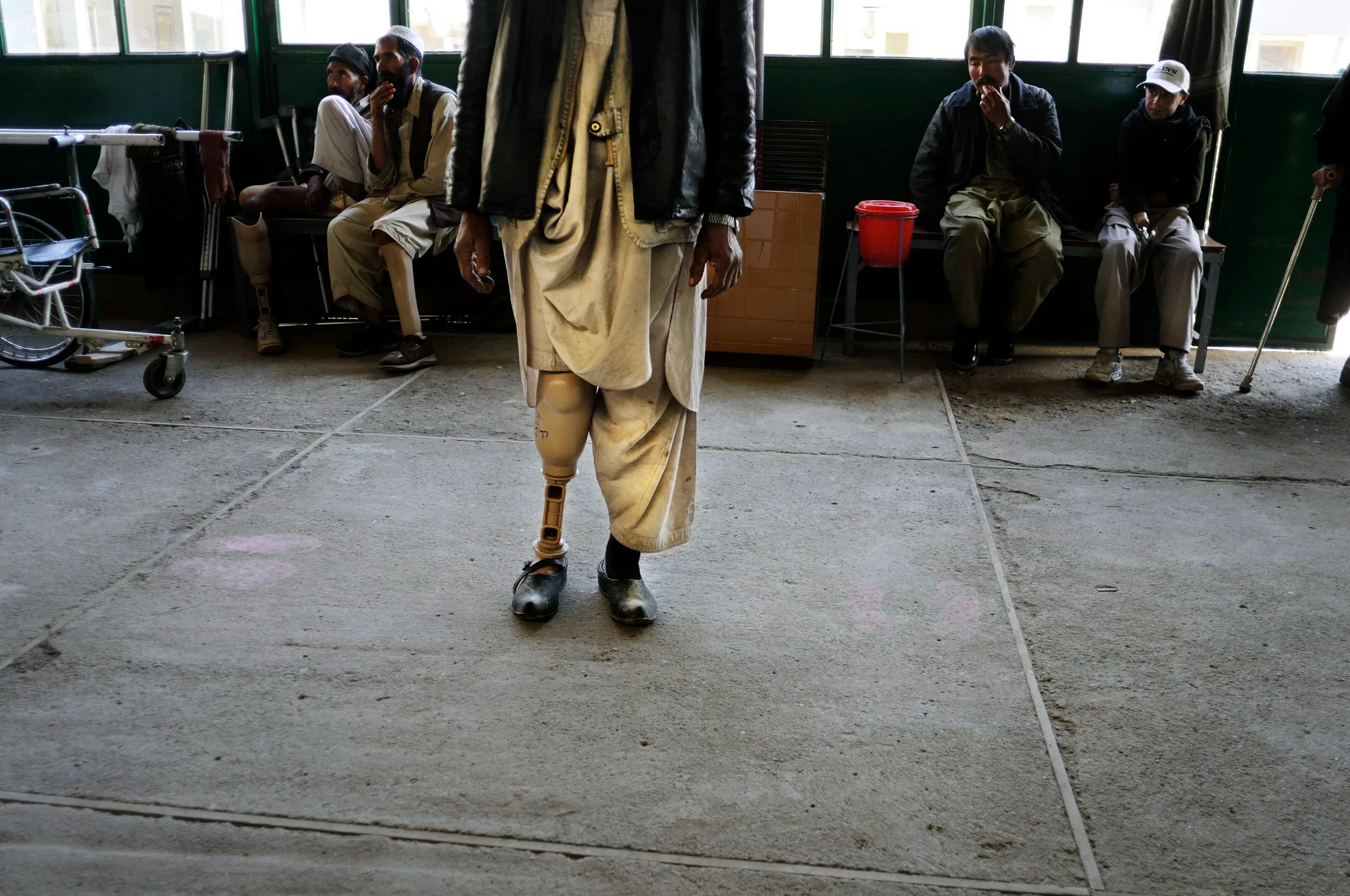
ICRC
Kabul orthopaedic centre, 2011
Inside the International Committee of the Red Cross rehabilitation centre in Kabul, where people who lost limbs to mines and war learn to walk again, and where most of the staff are former patients..
29 photographs
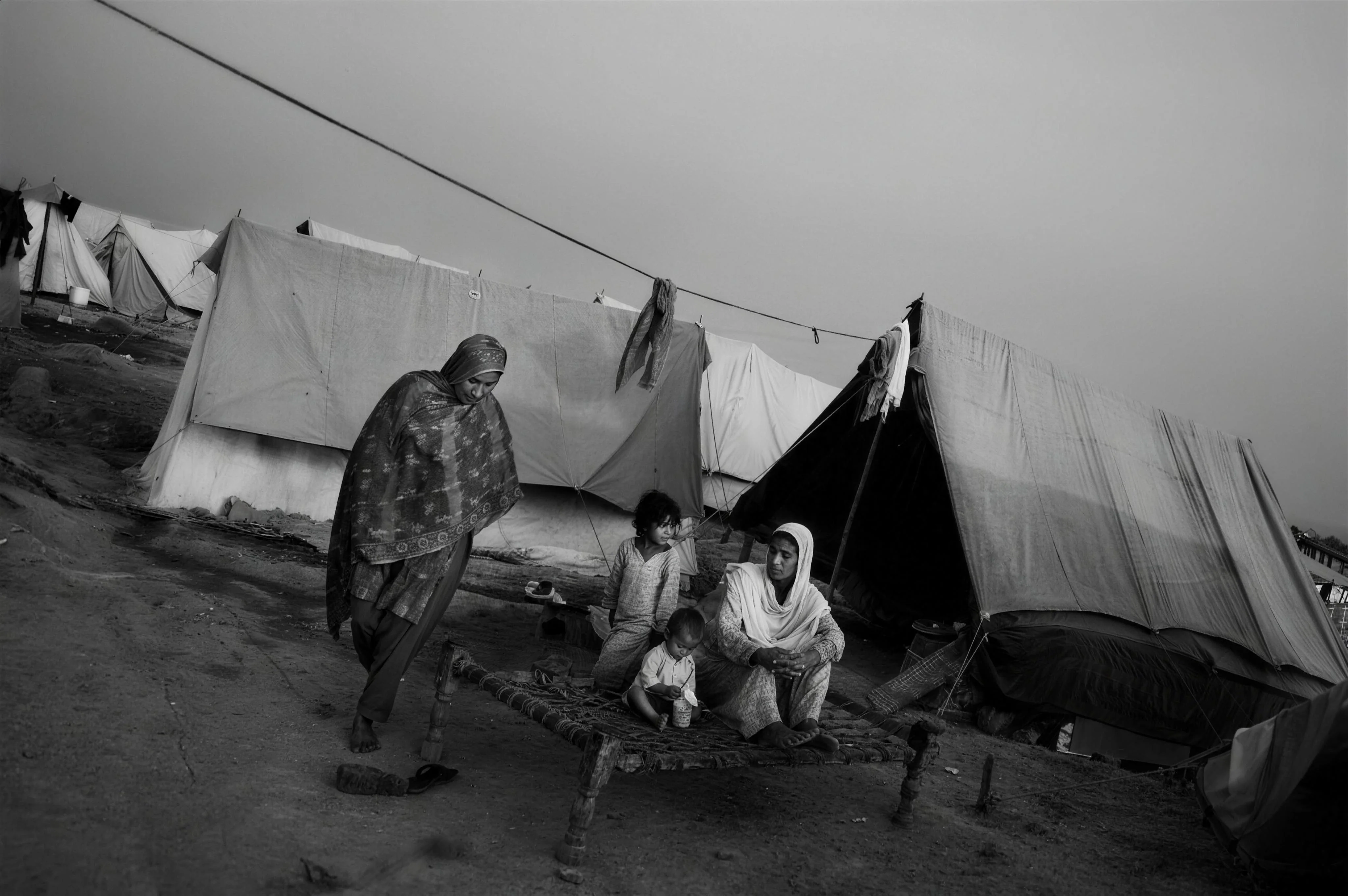
Flooding Aftermath in Pakistan
Sindh and Balochistan, 2010
The 2010 monsoon floods displaced some twenty million people.
70 photographs
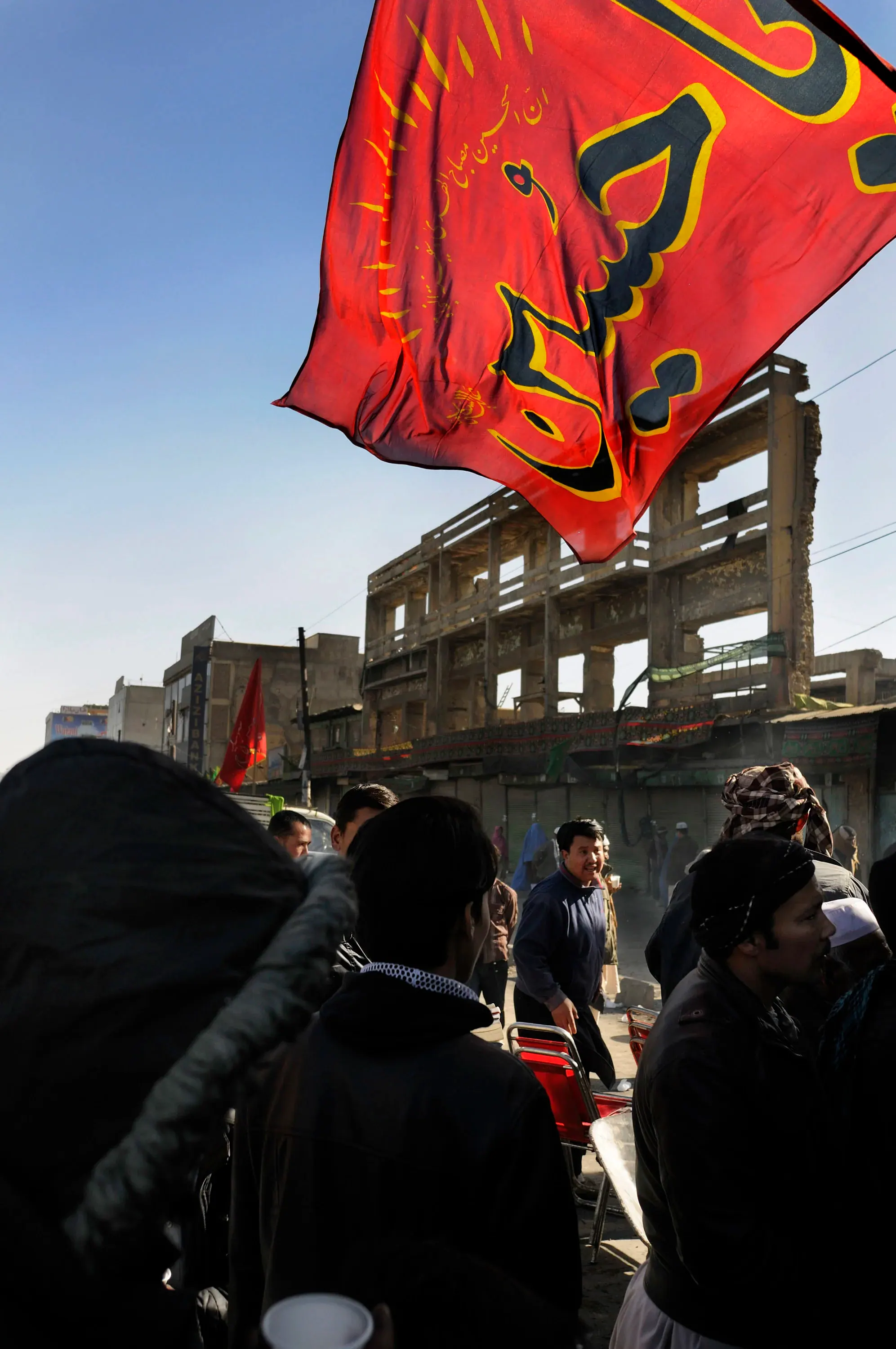
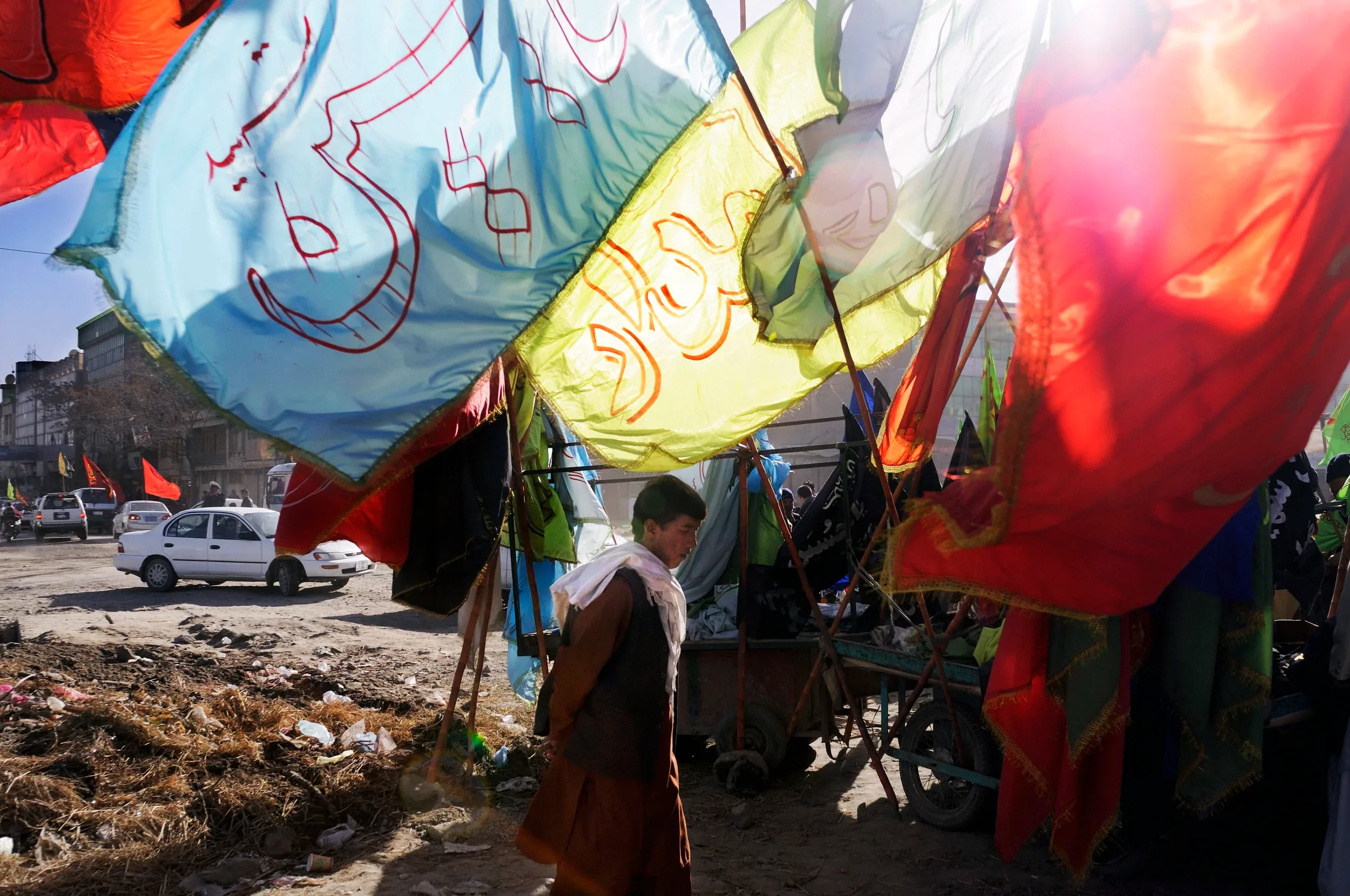
Ashura
Hazara communities in Afghanistan and Pakistan, 2010 to 2012
Muharram and the day of Ashura, when Shia communities mourn the martyrdom of Imam Hussain.
26 photographs
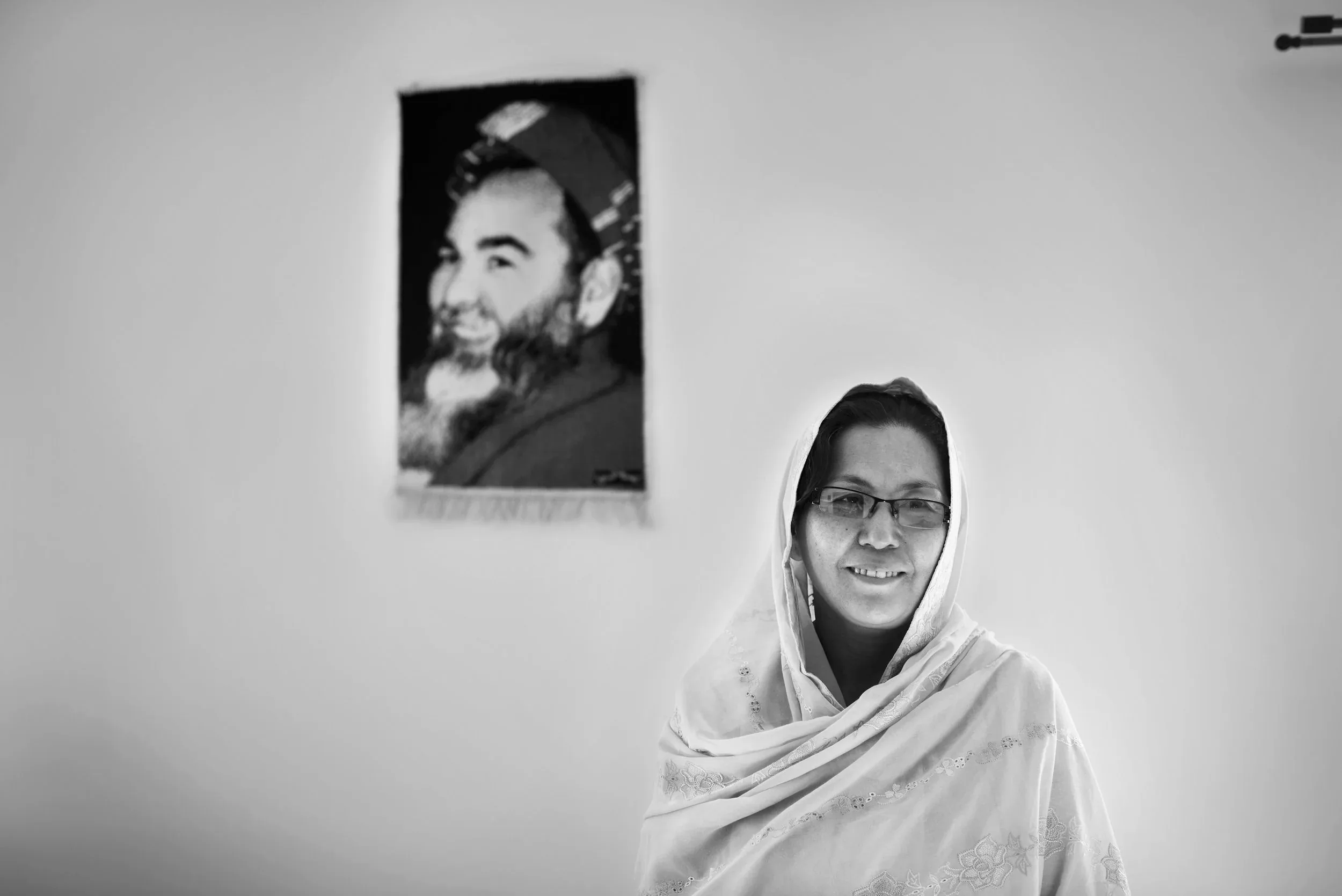
The Hazaras in Melbourne
Dandenong, Victoria, 2014
His first Australian series, made in the year he arrived: the Hazara community of Dandenong at home, at work, at prayer, photographed in black and white.
21 photographs
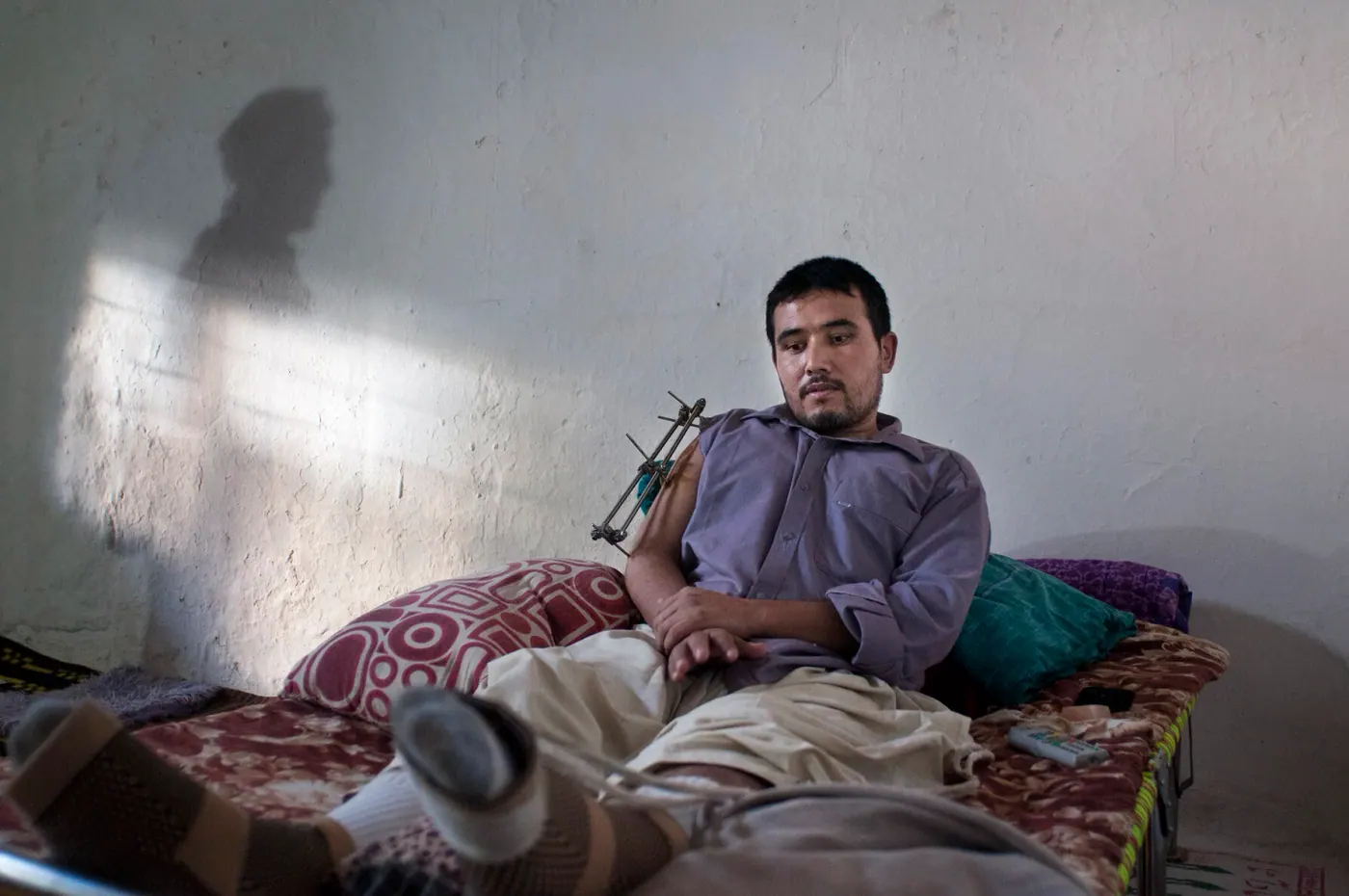
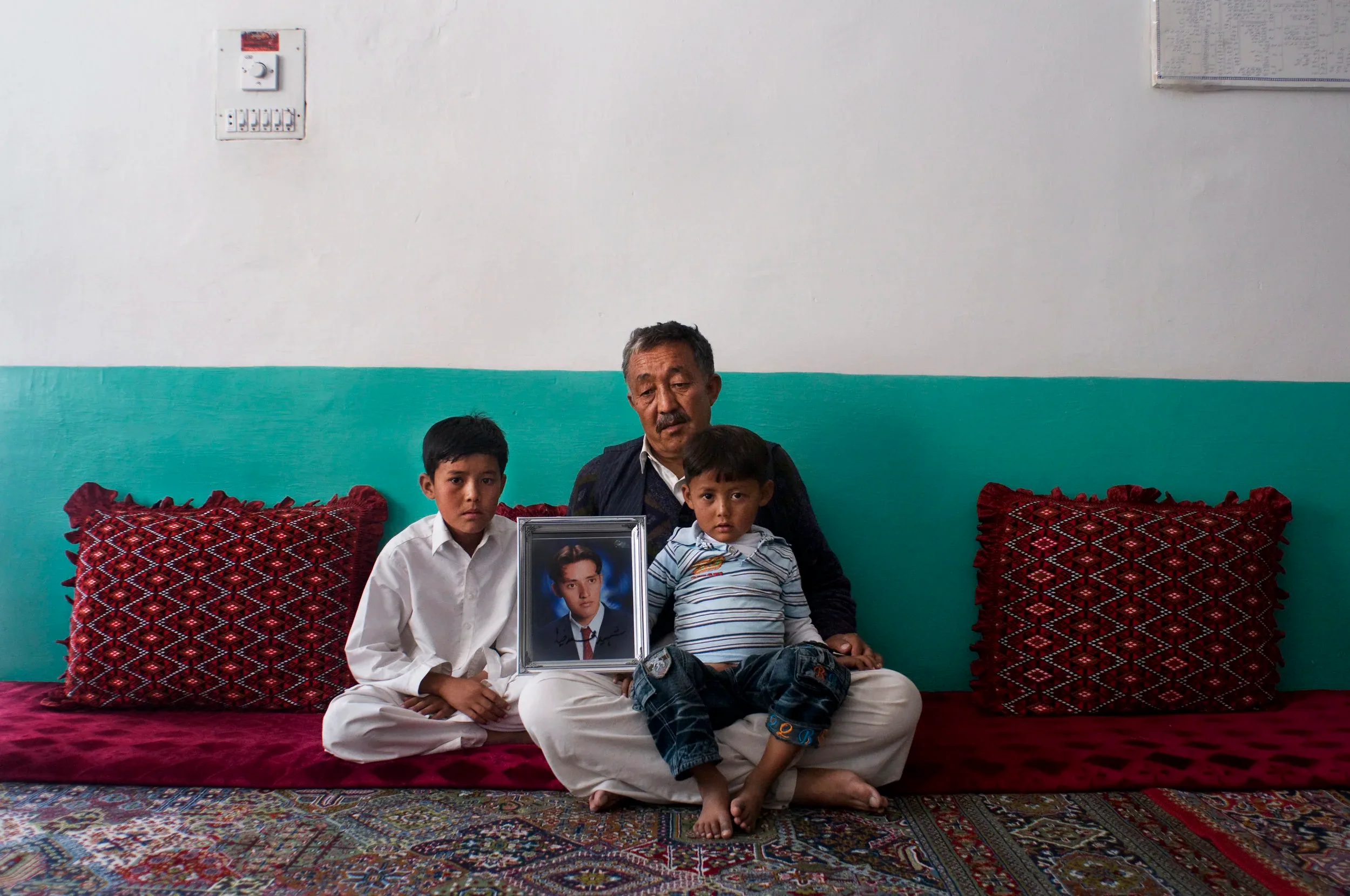
Hazara Genocide Pakistan
Quetta, Balochistan, 2011 to 2013
Families in Quetta with the photographs of relatives killed in the sectarian attacks on the city's Hazara population.
5 photographs, sensitive content
Colophon
- The plates
- 236 photographs in nine series, made between 2002 and 2014.
- Published
- On batoor.com from 2019 to 2025, and here again from 2026, from the same files.
- The files
- Each plate in several widths, up to the largest the recovered file actually carried. No crops, no regrades.
- Set in
- Bricolage Grotesque, with Literata for his own words; Noto Nastaliq Urdu and Vazirmatn on the Hazaragi side.
- Rights
- All photographs © Barat Ali Batoor. For editorial, exhibition or educational use, request a licence from any series page. Every image is rights-managed and nothing is sold at a click.
- Index of places
- The same archive, filed by where he was standing
- Machine-readable
- archive.json: every plate with its reference, its source and its provenance.